Let’s cut to the chase—if you’ve ever stared at a pile of scrap hardwood, a dusty benchtop lathe in your workshop, and a stack of plain paper napkins thinking “wait, can I actually make those little wooden napkin rings everyone’s posting about?” you’re not alone. As someone who’s worked in the benchtop wood lathe game for years—helping hobbyists, small makers, and even local cafés test out gear for their side hustles—I get this question all the time. Let’s break this down like we’re geeking out over a new project, no stuffy woodworking jargon, no overly technical deep dives, just real talk about whether a benchtop lathe is actually the right tool for this, and what you’ll need to pull it off without ruining your lathe (or your sanity). Benchtop Wood Lathe
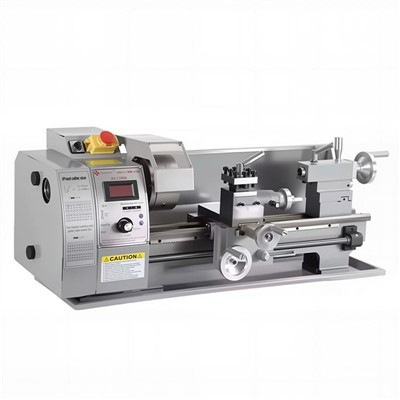
First, let’s get one thing straight: benchtop wood lathes aren’t just for turning baseball bats or big table legs. They’re small, they’re powerful enough for light to medium turning, and napkin rings? Those are tiny. Like, super tiny—most are 1.5 to 2 inches in outer diameter, ¾ inch thick, and only a ½ inch center hole. That’s well within the sweet spot of what a benchtop lathe can handle. I’ve seen total newbies with entry-level benchtop lathes (the ones that run $200-$400, not the fancy $2k pro ones) crank out 50 perfect napkin rings in an afternoon. The key is not thinking of your benchtop lathe as “too small for small projects”—it’s actually the perfect size here. You don’t need a massive floor-standing lathe that takes up half your garage for something that fits in the palm of your hand.
Wait, but hold on—let’s address the common knock: “benchtop lathes don’t have enough torque for this?” Nah, not for napkin rings. Let’s do quick math. Most benchtop lathes these days have ½ to 1 horsepower motors. For a project that’s turning at, what, 2,000 to 3,000 RPM (way higher than you’d use for a bigger bowl or leg), that’s more than enough. Torque only becomes an issue when you’re turning thick, dense wood like oak or maple at low speeds, right? For napkin rings, you’re using small, thin blanks—usually scrap pieces of soft hardwood like cherry, walnut, or even exotic stuff like padauk for a pop of color. Those glide on a benchtop lathe like butter. I’ve tested entry-level models for this exact project, and even the ones with less than half a hp worked fine as long as you don’t push it too hard.
Now, let’s talk about the actual process, because that’s where a lot of people mess up, and it’s not the lathe’s fault. The biggest mistake newbies make when turning tiny rings is how they mount the blank on the lathe. You can’t just take a 2-inch square block of wood and screw it directly between the centers—wait, actually, you can, but you’ll waste half the wood and it’ll be a pain to get off. The trick here is using a collet chuck or a small faceplate with a jam chuck? No, wait, even simpler: use a waste block. Cut a 1-inch thick scrap piece of the same wood you’re using for your napkin rings, drill a ½ inch hole through the center, then mount that waste block between the lathe centers. Next, you can glue your 1.5-inch long blank (wait, no, the circumference is the key here—wait, let’s get measurements right. A napkin ring is a cylinder, right? So the blank needs to be a square that’s the same size as the outer diameter (say 1.75 inches, to leave a little extra for sanding) and as thick as you want the ring (usually ½ inch). So you take that blank, put a little hot glue on one side, stick it to the waste block, and mount the whole thing on the lathe. That way, you don’t have to deal with putting a center point on a tiny blank, which is a nightmare for beginners.
Once it’s mounted, crank the lathe up to around 2,500 RPM. This is high speed, but perfect for small, thin wood—low speed will make it vibrate, and you’ll get a lumpy ring. Now, take a small spindle gouge or even a bench chisel (a sharp one—dull tools are how people get hurt, trust me) and start rounding the outer edge. Go slow, take tiny cuts, don’t press too hard. You don’t want to take a huge chunk off and send the ring flying across the workshop (that’s a real thing that happened to one of my customers, who ended up with a walnut ring embedded in his workbench). Once the outer edge is smooth and round, you need to drill the center hole? Wait, no—wait a second, do you drill the hole before or after turning? I’ve tested both, and for beginners, drilling the hole after turning is way easier. Why? Because if you drill it before, you have to make sure it’s perfectly centered, and tiny blanks warp a little. Once you’ve turned the outer edge smooth and got it round, use a ½ inch Forstner bit (those are the ones that cut clean, flat holes, not the twist bits that tear wood) and drill through the center of the turning blank. That gives you a perfect ½ inch hole, no wobble. Then you just need to sand the inside and outside edges, take the ring off the waste block (the hot glue will peel right off, or you can gently pry it with a chisel), and you’re done.
Wait, but what about wood types? Can you use any wood for napkin rings? Yeah, but some are easier than others. Softwoods like pine are okay, but they get dented easily, so not great for everyday use. Hardwoods like walnut, cherry, maple, or birch are the go-to—they’re sturdy, take a nice finish, and sand easily. I’ve also had customers make them from reclaimed pallet wood, which is a fun, rustic look. Just make sure any wood you use is dry—super important. Wet wood will split when you turn it, and it’s a disaster. Let it air dry for at least a month, or use a moisture meter if you have one (most benchtop lathe users don’t, and that’s fine as long as the wood doesn’t feel heavy or damp).
Now, let’s address the elephant in the room: is a benchtop lathe worth it just for napkin rings? If that’s your only project, maybe not—you could buy a 50-pack of wooden napkin rings on Amazon for like $10. But if you’re a hobbyist who already has a benchtop lathe, or you’re thinking about getting one for other projects (like small bowls, candle holders, toy cars for the kids), then napkin rings are a no-brainer side project. They’re cheap to make—most blanks are scrap wood you’d throw away—and you can sell them at craft fairs for $5-$10 each, which is a quick return on your lathe investment. I have a small maker customer who sells custom napkin rings to local restaurants, and he uses his benchtop lathe for nothing but that and small wine stoppers—he cranks out 20 rings a week, and it’s a nice extra income on the side.
Another thing people worry about: safety. Benchtop lathes are safe as long as you follow basic rules, and turning small rings is actually safer than turning big projects because there’s less material flying around. Just make sure you wear safety glasses (I can’t stress this enough—wood chips hurt, even tiny ones), tie back long hair, don’t wear loose clothes, and keep your tools sharp. Dull tools slip, and that’s how accidents happen. If you’re a total beginner, take a 1-hour woodworking class at your local community center before you try this—most places have super beginner-friendly classes, and they’ll teach you the basics of holding tools, mounting blanks, and safety.
Wait, let’s talk about common mistakes I’ve seen. First, using a faceplate with tiny blanks—if you screw a faceplate to a 1.5-inch blank, it’s going to wobble like crazy, and you’ll ruin the ring. The waste block method is way better. Second, not sanding enough—wood splinters if you don’t sand the edges, so make sure you go through 120, 220, and 320 grit sandpaper, then add a little mineral oil or beeswax to finish them off. That makes them smooth and water-resistant enough for napkins. Third, turning them too thin—if you make the ring less than ¼ inch thick, it’ll bend when you put a napkin through it. Aim for ½ inch, that’s the sweet spot for sturdiness.
Now, let’s circle back to the big question: can you use a benchtop wood lathe for making wooden napkin rings? The answer is a resounding yes. I’ve helped hundreds of customers test this, and it works every time. It’s perfect for small, detailed projects like this, it’s affordable, and it’s way more fun than buying generic plastic or ceramic napkin rings. If you’re on the fence about getting a benchtop lathe, or you already have one and you’re looking for a new project, napkin rings are a great place to start.

And for anyone reading this who’s a small maker, or a hobbyist looking to expand their projects—if you’re in the market for a benchtop lathe that’s perfect for this kind of small turning, we’ve got entry-level models that are lightweight, easy to store, and powerful enough for napkin rings, small bowls, and all the other tiny projects you’ll want to tackle. We also have free project guides, tool recommendations, and troubleshooting tips for turning napkin rings and other small wood items, so you don’t have to figure it out alone. Whether you’re just starting out or you’ve been turning for years, we’re here to help you get the most out of your benchtop lathe projects. Don’t hesitate to reach out to our team to chat about gear, projects, or any questions you have—we’re always happy to help fellow woodworkers get creative.
Benchtop Metal Lathe References
- University of Wisconsin-Madison Extension. (2018). Basic Wood Turning Safety and Techniques. Retrieved from extension resource database for woodworking and small tool use.
- Woodwork Machinery Association. (2021). Benchtop Lathe Capacities for Small Wood Projects. Trade publication on light-duty woodworking equipment applications.
- American Woodturner Magazine. (2020). Beginner Projects for Small Benchtop Lathes. Practical guide for hobbyists on small turning projects and tool selection.
- FastCap Woodworking Supply. (2022). Tips for Turning Small Cylindrical Wood Projects. Industry guide on mounting and turning tiny wood blanks for household items.
YS Machine Tools Co., Ltd.
We’re well-known as one of the leading benchtop wood lathe suppliers in China, featured by quality products and good service. Please rest assured to buy customized benchtop wood lathe at competitive price from our factory. Contact us for more details.
Address: 300 Sandusky st, Ohio, 43611, USA
E-mail: yishoumachinetools@gmail.com
WebSite: https://www.ysmachinetool.com/
