Traditional Chinese pastries, with their rich history, diverse flavors, and intricate craftsmanship, have long been a beloved part of Chinese culture. As a supplier of these delightful treats, I’ve had the privilege of exploring how they are traditionally served in various settings. In this blog, I’ll share insights into the ways these pastries are presented and enjoyed, from formal occasions to everyday snacks. Traditional Chinese Pastries
Served in Tea-Houses
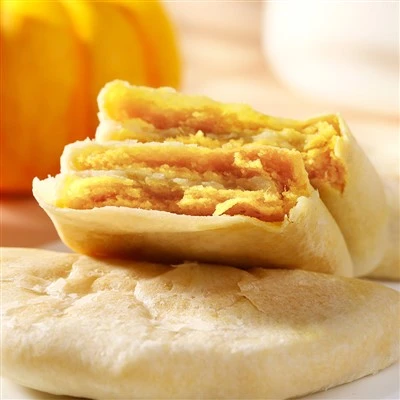
In many Chinese tea-houses, traditional pastries play a crucial role in enhancing the tea-drinking experience. Tea and pastries are considered a harmonious combination, where the sweet, savory, or nutty flavors of the pastries complement the aromatic notes of different teas.
When customers visit a tea-house, they are often presented with a selection of pastries on a tiered tray. The tiered presentation not only adds an elegant touch but also allows for easy access to different types of pastries. These pastries can range from the famous mooncakes, which are typically round and filled with sweet bean paste, lotus seed paste, or salted egg yolks, to the delicate almond cookies known as "almond biscuits."
Mooncakes are especially popular during the Mid-Autumn Festival, but they are also served year-round in tea-houses. They are usually cut into small wedges and shared among tea-drinking friends or family members. The moist and rich filling of the mooncake pairs well with the light and refreshing taste of green tea or the fragrant oolong tea.
Almond biscuits, on the other hand, are crispy and have a distinct almond flavor. They are a great accompaniment to black tea or Pu-erh tea, which have stronger and more robust flavors. The sweetness of the almond biscuits balances out the bitterness of the tea, creating a perfect flavor contrast.
For Festive Celebrations
Traditional Chinese pastries are an indispensable part of festive celebrations in China. Each festival is associated with specific pastries that are believed to bring good luck, prosperity, and happiness.
During the Chinese New Year, for example, pastries such as nian gao (sticky rice cake) are widely served. Nian gao is made from glutinous rice flour and can be either sweet or savory. The sticky texture of the cake symbolizes strong family ties, and the word "nian gao" in Chinese sounds similar to "yearly improvement," which represents the hope for a better year ahead. Nian gao is usually steamed or pan-fried and can be eaten on its own or with other ingredients like red dates or osmanthus flowers.
Another popular Chinese New Year pastry is the fried dough twist, known as "ma hua." Ma hua is made from flour and is deep-fried until it turns golden brown and crispy. It is often dusted with sugar or honey and is a favorite snack for children and adults alike. The twisted shape of ma hua is said to symbolize good luck and fortune.
During the Dragon Boat Festival, zongzi is the star pastry. Zongzi is a pyramid-shaped dumpling made from glutinous rice wrapped in bamboo leaves. It can be filled with a variety of ingredients, such as pork, beans, dates, or preserved egg yolks. Zongzi is usually boiled or steamed and is a nutritious and filling snack. The tradition of eating zongzi during the Dragon Boat Festival is to commemorate the ancient poet Qu Yuan.
As Gifts
Traditional Chinese pastries are also commonly given as gifts, especially during special occasions or holidays. The carefully packaged pastries not only represent good wishes but also showcase the sender’s appreciation and respect.
When selecting pastries as gifts, people often choose varieties that are associated with the occasion. For example, during the Mid-Autumn Festival, mooncakes are the most popular gift item. They are usually sold in beautifully decorated boxes, with different flavors and fillings to choose from. Some high-end mooncakes even come with additional gifts, such as tea sets or wine.
In addition to mooncakes, other pastries like almond cakes, pineapple tarts, and egg tarts are also popular gift choices. These pastries are known for their delicious taste and beautiful appearance, making them suitable for both personal and business gifts.
When presenting pastries as gifts, it is important to pay attention to the packaging and presentation. The pastries should be neatly arranged in a box or a basket, and a greeting card can be added to convey the sender’s message.
In Everyday Life
Apart from tea-houses and festive occasions, traditional Chinese pastries are also enjoyed as everyday snacks. They can be found in local bakeries, street vendors, and even supermarkets.
One of the most common everyday pastries is the baozi, which is a steamed bun filled with various ingredients, such as pork, beef, vegetables, or sweet bean paste. Baozi is a convenient and filling snack that can be eaten on the go. It is often served for breakfast or as a quick meal during lunch or dinner.
Another popular everyday pastry is the shaobing, which is a baked flatbread with a crispy crust and a soft interior. Shaobing can be filled with different flavors, such as sesame, scallions, or red bean paste. It is a favorite snack among locals and is often eaten with a cup of hot soy milk or tea.
In addition to baozi and shaobing, other pastries like egg tarts, pineapple buns, and coconut cookies are also widely enjoyed as everyday treats. These pastries are usually sold in small portions, making them affordable and accessible to everyone.
How We Serve Our Pastries
As a supplier of traditional Chinese pastries, we understand the importance of serving them in the right way. We pay attention to every detail, from the selection of ingredients to the packaging and presentation of the pastries.
When it comes to ingredients, we only use high-quality and natural products. We source our flour, sugar, and other ingredients from trusted suppliers to ensure the freshness and quality of our pastries. We also use traditional recipes and techniques to make our pastries, which gives them an authentic and delicious taste.
In terms of packaging, we offer a variety of options to meet the different needs of our customers. For retail customers, we provide individual packaging for each pastry, which is not only convenient but also helps to keep the pastries fresh. For bulk orders or corporate gifts, we can offer customized packaging with the customer’s logo or brand name.
When presenting our pastries, we always strive to create an elegant and attractive display. We use tiered trays or beautiful boxes to showcase our pastries, and we add decorative elements such as flowers or ribbons to make them more appealing.
Conclusion
Traditional Chinese pastries are a treasure of Chinese culture, and they are served in various ways to suit different occasions and preferences. Whether it’s in a tea-house, during a festive celebration, as a gift, or as an everyday snack, these pastries bring joy and happiness to people’s lives.
As a supplier of traditional Chinese pastries, we are committed to providing high-quality products and excellent service. We believe that our pastries can not only satisfy your taste buds but also help you experience the rich and diverse culture of China.
If you are interested in purchasing our traditional Chinese pastries, whether for your business or personal use, we would love to have a conversation with you. We can discuss your specific needs, preferences, and quantity requirements, and provide you with the best solutions. Don’t hesitate to reach out and start the procurement negotiation process.
Baked Pastries References
- Anderson, E. N. (2014). The Food of China. Yale University Press.
- Freeman, S. (2017). Chinese Cuisine: An Illustrated History. Reaktion Books.
- Tan, C. T. (2019). Chinese Desserts: Sweet Treats from the Middle Kingdom. Tuttle Publishing.
Fujian Luchen Food Co., Ltd.
As one of the most professional traditional chinese pastries manufacturers and suppliers in China since 1986, our products have good reputation in the market. Please feel free to wholesale bulk delicious traditional chinese pastries from our factory. Good service and quality products are available.
Address: No. 19, Shangxipulou, Nansheng Town, Pinghe County, Zhangzhou City, Fujian Province
E-mail: service@xmnahan.com
WebSite: https://www.luchenbakery.com/
