If you’ve ever sunk into a fiber quilt after a long day, you’ve probably felt that perfect balance of softness, warmth, and breathability—without the weight or clunk of old-fashioned comforters. As someone who’s spent the last 12 years running a fiber quilt supply business, I’ve seen every kind of fiber come and go, and I can tell you: not all quilt fill is created equal. Some fibers hold up better after 50 washes, some are gentlest on sensitive skin, and some check every box for eco-conscious customers. Today, I’m breaking down the most common fibers we use in our quilts, what makes each one unique, and why we turn to them again and again for our clients. Fiber Quilt
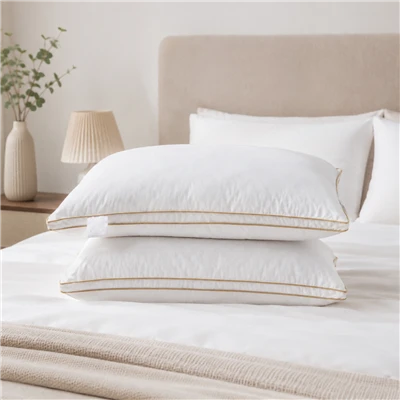
Let’s start with polyester fiber, because it’s the workhorse of the fiber quilt industry, and for good reason. Back in the 1970s, polyester hit the market as a cheaper, more durable alternative to down, and it’s stayed popular ever since. Most of the polyester we use in our quilts is low-melt, also called “polyester staple fiber” (PSF) or “polyester batting.” The low-melt part is key: when we heat the fiber during production, the tiny individual strands fuse together at their edges, creating a lofty, consistent fill that doesn’t shift into lumpy clumps after a few uses. That’s a huge win for both of us—our clients love that their quilts stay smooth, and we don’t get a ton of complaints about uneven fill.
What I hear most from buyers is how easy polyester is to care for. Unlike down, which you have to dry on low heat to prevent clumping, polyester can go in a regular washing machine on any cycle, and it dries in a fraction of the time. It’s also incredibly affordable, which makes it a go-to for budget-friendly bedding lines, rental properties, or any business that needs a durable, consistent product for high-volume orders. The downside? Some people say it’s less breathable than natural fibers, and it doesn’t loft as naturally as down. But we’ve refined our polyester blends over the years—adding a bit of hollow-core polyester, for example, which traps air better and feels softer. It’s not perfect, but for most applications, it’s hard to beat.
Next, we have cotton, the original natural fiber for quilts, and the one that started it all. For centuries, people used cotton batting to stuff bed quilts because it’s soft, breathable, and comes from a plant that’s relatively easy to grow. In our business, we primarily use two types of cotton for quilts: conventional cotton and organic cotton. Conventional cotton is the more budget option, but organic cotton has grown a lot in demand over the last 10 years, because it’s grown without synthetic pesticides, fertilizers, or GMOs—something a lot of our retail clients prioritize for their eco-friendly lines.
Cotton has a nice, weighty feel that many customers love; it’s not too fluffy, but it’s warm enough for cool nights. It’s also highly breathable, which means you don’t wake up sweaty under a cotton quilt, a big plus for warm climates. The catch with cotton is that it’s not as durable as polyester. Over time, repeated washing can make it compress, so you have to fluff it regularly to keep it lofty. That’s why we usually recommend cotton quilts for residential use, not for the high-turnover rental properties we often supply. We also have to make sure the cotton is processed without harsh chemicals, because even a tiny amount of residual pesticide can irritate sensitive skin—something we’re extra careful about with our organic line.
Another staple in our inventory is microfiber, a type of polyester fiber that’s super fine—we’re talking 0.5 to 2 micrometers in diameter, way thinner than a human hair. Microfiber has exploded in popularity over the last 15 years because it feels almost like down, but it’s much cheaper and hypoallergenic. The small fiber size means it can trap more air than regular polyester, so it lofts really well, making quilts feel fluffy and warm without being heavy. We use microfiber a lot for luxury fiber quilts because it has a soft, smooth hand that customers love, and it’s resistant to mold and mildew—perfect for damp areas like bathrooms or basements.
Microfiber does have a few quirks, though. It can attract static, so we add a small amount of anti-static agents during production to fix that. It also tends to hold onto odors more than other fibers, which is why we recommend using a mild detergent and avoiding fabric softeners when washing it. But for most customers, those small issues are worth it for the feel—we’ve had so many buyers tell me that their customers can’t tell the difference between a microfiber quilt and a down one, and that’s a huge win for us.
Then there’s bamboo fiber, a relatively new natural fiber that’s taken the eco-bedding market by storm. Bamboo is a grass that grows extremely fast—some varieties grow up to three feet a day—so it’s a super sustainable crop, no pesticides needed, unlike cotton. The fiber is processed into a soft, silky material that’s even softer than cotton, and it’s naturally hypoallergenic, antibacterial, and moisture-wicking. That makes it ideal for people with allergies, or anyone who runs hot at night.
We use bamboo fiber either as a 100% fill or blended with polyester to make it more durable. The downside of pure bamboo is that it can be more expensive, and it’s not as lofty as down or microfiber, so it might not be the best option for someone who wants a really warm, fluffy quilt. But for customers who prioritize sustainability and skin-friendliness, it’s hard to beat. We’ve noticed a big increase in demand for bamboo quilts over the last five years, especially from boutique hotels and eco-friendly retailers, and we’ve had great feedback about how soft and cool they feel.
Let’s not forget about down alternative, which is often confused with other fibers, but it’s a specific blend designed to mimic down. Most down alternative fill is a mix of polyester fibers, often hollow-core or microfiber, engineered to have the same loft and warmth as goose or duck down, but without the animal products. That’s a huge selling point for people who are allergic to down, or who prefer vegan bedding. We’ve spent a lot of time testing different down alternative blends over the years, and the best ones feel almost identical to real down—so much so that even we sometimes mix them up during quality checks.
The key to a good down alternative is the cluster structure of the fibers. Unlike regular polyester batting, which is flat and dense, down alternative fibers are clustered, so they trap more air, making the quilt warm and light. We usually blend 50% hollow-core polyester with 50% microfiber for our down alternative line, which balances softness, durability, and loft. The only thing to keep in mind is that it’s not as warm as real down, so we recommend it for mild climates or for customers who don’t want a heavy winter quilt.
Wait, should I mention wool? Oh right, wool is another natural fiber that’s been around for ages, and it’s making a comeback. Wool is warm, breathable, and naturally moisture-wicking, so it keeps you warm in the winter and cool in the summer. It’s also hypoallergenic and resistant to dust mites, which makes it great for people with allergies. We use wool fiber in our premium quilts, usually blended with a small amount of polyester to prevent it from shrinking or felting over time.
The downside of wool is that it’s more expensive than other fibers, and it can be a bit scratchy if it’s not processed well. We always use merino wool, which is finer and softer than regular sheep’s wool, so our wool quilts feel smooth, not scratchy. It also needs to be dry-cleaned or washed on a gentle cycle with wool-specific detergent, which is a bit more work, but our customers say the comfort is worth it. We supply wool quilts mostly for cold climates or for customers who want a long-lasting, premium product—they can last for 20 years if cared for properly, which is way longer than most other fibers.
Now, as a supplier, I don’t just pick these fibers randomly. Every fiber has a use, and every client has different needs. A hotel owner might want durable, affordable polyester quilts that get washed dozens of times a year. A boutique eco-retailer might be looking for organic cotton or bamboo quilts to meet their customers’ sustainability demands. A parent might want a hypoallergenic down alternative for a kid’s bed. We test every fiber we stock for durability, softness, and performance, so we can recommend the right one for each client’s specific needs.
I’ve seen a lot of trends come and go in the fiber quilt industry—memory foam fill, silk batting, even recycled plastic fiber—but the most common fibers stay the same for a reason. They work. They’re reliable. They meet the needs of most customers, whether they’re buying a single quilt for their bedroom or 500 for a hotel chain.
If you’re a retailer, hotel manager, or anyone looking to source fiber quilts, let’s talk. Whether you need budget-friendly bulk orders, premium eco-friendly lines, or something in between, we can help you find the right fiber to fit your needs. Reach out to us, and we can walk you through our options, share samples, and work out a solution that works for your business.
Mattress Topper Pad References:
- Textile Institute. (2021). "Fiber Fill Materials for Bedding and Home Textiles." Journal of Textile and Apparel Technology and Management.
- Cotton Council International. (2022). "Organic Cotton in Bedding: Production and Performance Characteristics."
- Bamboo Textiles Association. (2023). "Sustainability and Performance of Bamboo Fiber for Home Textiles."
- Wool Research Association. (2020). "Merino Wool as a Fill Material for Bedding: Comfort and Durability."
- Polyester Industry Association. (2021). "Low-Melt Polyester Staple Fiber for Quilt Batting: Innovations and Applications."
Hangzhou Ruiyi Home Products Co., Ltd.
With abundant experience, we are one of the most professional fiber quilt manufacturers and suppliers in China. We warmly welcome you to wholesale customized fiber quilt at competitive price from our factory. If you have any enquiry about cooperation, please feel free to email us.
Address: BUILDING 1, NO.1757 CHENHUI ROAD, XINTANG STREET ,XIAOSHAN,HANGZHOU, ZHEJIANG,P.R. CHINA
E-mail: vivian-xu@vip.163.com
WebSite: https://www.ryhometextile.com/
