Hey there, Hotel Dry Amenities Packaging
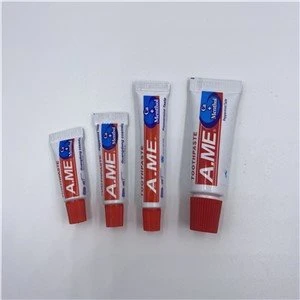
If you’ve ever stood in a hotel hallway, cringing as you hear that crinkly, crumpled sound of a soap wrapper tearing before you even get back to your room, or grabbed a tiny travel toothbrush only to have the bristles stick out from a crunched plastic blister that looked like it got run over by a luggage cart—you know the frustration that comes with flimsy hotel dry amenities packaging. As someone who runs a hotel dry amenities packaging supplier, I see this play out every single day. We get frantic calls from hotel managers at 3 PM on a Tuesday, begging for replacements because a pallet of shampoo bottles arrived with half their caps crushed, or the mini soap bars were stuck together like glue because their wrappers couldn’t hold up to a 10-minute drive on a bumpy delivery truck.
It’s not that hotels are ordering cheap stuff on purpose. A lot of them just don’t realize that there’s a difference between “cheap” and “cost-effective.” They think: oh, packaging is just to hold the item until it gets to the guest, right? But no—damaged packaging means waste, it means guest complaints, and it means throwing out products that were supposed to make their stay nice. Last month, one of our big boutique hotel clients told us they threw out 200 shampoo bottles just because their old packaging’s seals broke during shipping. That’s $1500 down the drain, and that’s just one small batch. So today, I’m pulling back the curtain on what actually makes hotel dry amenities packaging tough enough to handle the whole journey—from our factory to the front desk to the guest’s bathroom counter. No jargon, just real stuff that works, because that’s what we’ve tested in our own warehouse.
First off, let’s talk about the most underrated part of packaging: the material. A lot of brands go for thin, flimsy plastic or paper because it’s cheap, but it’s like wrapping a phone in a napkin and expecting it not to break. For dry amenities—think soap bars, combs, toothbrushes, mini shampoo, conditioner, body lotion, even those little sewing kits—you need materials that can handle three things: friction, pressure, and temperature swings. We used to use the same low-density polyethylene (LDPE) that everyone else was using, and we got so many complaints about it tearing during stacking. Then we switched to linear low-density polyethylene (LLDPE) with a bit of extra thickness—like, instead of 15 microns, we went to 20 to 25 microns—and it was a game-changer. LLDPE is way more flexible than LDPE, so it doesn’t crack when the packaging is folded or crumpled, and it has better puncture resistance. We tested it by rubbing a bar soap back and forth 50 times (like what happens inside a delivery box bouncing around) and the old LDPE wrapped soap had holes. The LLDPE? Not a single scratch.
Wait, but what about paper packaging? A lot of hotels like paper because it’s “greener,” which is fair. But not all paper is created equal. A lot of paper used for soap wrappers is just 20lb bond paper, which is like typing paper—super thin, tears if you so much as look at it wrong. If you’re going paper, you need to go for coated paperboard, specifically clay-coated paper with a high basis weight—like 35lb to 40lb. Coated paper is water-resistant too, which is a bonus if a bottle leaks a little and seeps into the packaging (we’ve all seen that: a shampoo leak turns a soap wrapper into a mushy mess that falls apart). We did a test where we poured a teaspoon of water on 20lb paper vs. 35lb clay-coated paper: the 20lb was soggy and fell apart in 10 minutes; the coated one still held its shape after an hour. And if you really want to go eco-friendly but tough, we’ve even worked with a biodegradable version of that coated paper that has the same puncture resistance as plastic—no, it doesn’t turn to mush in the landfill, it just breaks down, and our hotel clients love that because their guests care about sustainability too.
Next up, the seals. This is where 90% of the damage happens, in my opinion. You can have the toughest material in the world, but if the seal is thin or misapplied, it’s going to break. A lot of suppliers use heat seals that are too weak because they cut corners on the temperature or pressure. For our sealed amenities—like mini shampoo bottles in plastic blisters, or lotion tubes with twist caps—we use what’s called a hermetic heat seal, not just a crimp. We tested different seal settings a while back: we found that a temperature of 120°C to 130°C, pressure of 50 to 60 psi, and a seal time of 0.8 seconds creates a seal that’s strong enough to not break during stacking, but not so strong that a guest can’t open it without struggling. We had one client who was having issues with shampoo bottle caps popping off during delivery, so we added a tamper-evident seal that’s double-laminated. No more popped caps. That alone cut their replacement orders by 40% in a month. If you’re doing wrap-around packaging for soap bars, a side seal instead of a bottom seal is better, too—bottom seals are prone to bursting if there’s any pressure on the bottom of the package.
Then there’s the fit. This is something almost no one talks about, but it’s huge. If your soap bar is 50g and your wrapper is 5g too big, it’s going to rattle around inside the packaging, banging against the edges every time the box moves. Those small impacts add up, and eventually, the wrapper tears or the soap gets chipped. We now do custom sizing for every amenity, not just one-size-fits-all. For example, a standard travel soap bar is 7cm x 4cm x 1.5cm, so we make the wrapper exactly 7.2cm x 4.2cm—just enough room to fold the edges without extra space. For plastic blister packs holding a toothbrush, we mold the blister to fit the toothbrush’s shape, so the bristles don’t stick out and the handle is held tight in place. We did a test where we compared custom-fitted packaging vs. standard-sized: in a 100-box pallet that was bumped around, the standard-sized had 18 damaged items, the custom-sized had 2. That’s not a typo. The extra fit work takes a tiny bit more time, but it’s worth it for the fact that almost no items get damaged in transit.
Also, don’t sleep on the pallet and box packaging, but wait—no, we’re talking about the individual amenity packaging, but how it stacks. A lot of hotels just throw our amenity boxes into a regular shipping box, which has empty space, so the boxes slide around and get crushed. We started recommending that hotels use corrugated inner liners for their amenity shipments, so each layer of boxes is separated and doesn’t press down on the layer below. The liners are thin, cheap, and they cut down on crush damage by a lot. One of our clients in Austin, TX, told us that since they started using the liners, their monthly damage rate for amenities dropped from 12% to 3%—that’s a massive difference, and it saved them thousands of dollars a year.
Wait, what about temperature and humidity? I live in Florida, and humidity is a nightmare for packaging. We had a client in Miami whose soap bars would stick together in the summer because the paper wrapper absorbed moisture from the air, making them warp. We fixed that by adding a thin layer of polyethylene laminate to the inside of the paper wrapper, so it was moisture-barrier. Now their soap bars arrive perfectly flat, no sticking, even in 90% humidity. For places with extreme cold—like ski resorts in Colorado—the packaging becomes brittle, right? We tested different materials and found that adding a small amount of ethylene vinyl acetate (EVA) to the plastic blends makes the packaging flexible in cold temperatures. We had a client in Aspen tell us that their old packaging would crack in 20°F weather, but our new packaging doesn’t, even when it’s been sitting in a loading dock overnight. That’s the kind of small adjustment that makes all the difference for hotels in different climates.
And let’s not forget guest usability, because if the packaging is tough but impossible to open, that’s just as bad. We’ve all struggled with those tiny plastic blister packs that you have to use a key to open, or a soap wrapper that you tear so hard half the soap comes out. So we balance toughness with ease of opening. For blister packs, we add a tear tab that’s scored so you don’t need scissors or a knife. For paper wrappers, we add a small perforated edge so you can just peel it open with your fingers. We test every packaging design in-house by having our office team open them—no one gets extra pay, but we do it because we hate when we can’t open a package either. If more than 2 people struggle to open it, we tweak it. That’s why our packaging is tough enough to handle delivery, but guests don’t have to fight with it to use the product.
Here’s the thing I always tell hotel managers: you don’t have to go with the most expensive packaging on the market to fix this. You just have to stop treating packaging like an afterthought. I’ve seen hotels switch from $0.02 per unit packaging to $0.03 per unit packaging, and save $5000 a month because they don’t have to replace damaged items. The math works out. Let’s do that math: if you have 10,000 amenities a month, that’s a $100 difference in packaging cost, but if you were throwing out 10% of them because of damage, that’s $300 in product waste. So you’re spending an extra $10 to save $300—no brainer.
A lot of people ask us, “Can you make packaging that’s tough but still good for the environment?” And the answer is yes. We don’t use any unnecessary plastic, we source paper from FSC-certified forests, and our new line of biodegradable packaging is just as resistant to damage as plastic. Guest care about sustainability, hotels care about saving money—we meet in the middle. Last year, one of our New York City clients switched all their amenities to our biodegradable tough packaging, and their TripAdvisor reviews started mentioning “nice, undamaged amenities” and “sustainable touches” within a month. They got 12% more five-star reviews for small things, which translates to more bookings. It’s not just about fixing damage—it’s about improving the guest experience, which is the whole point.
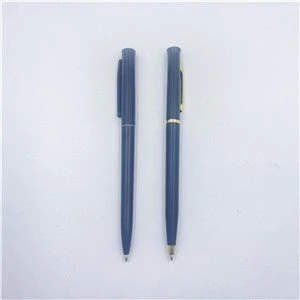
I know this stuff sounds obvious when you hear it, but you’d be surprised how many hotels and suppliers cut corners and don’t think about the whole cycle: from factory to delivery to front desk to guest’s hand. I’ve been in this business for 8 years, and I’ve seen every trick in the book for damaged packaging. The best solution isn’t a secret formula—it’s using the right material, the right seal, the right fit, and thinking about the conditions the packaging will face. No fancy stuff, just practical, tested solutions that actually work.
Shoe Mitt If you’re a hotel manager or procurement person dealing with damaged amenities, I’m here to help. We’ve worked with small boutique hotels and big chain hotels, we’ve fixed damage issues for places in Miami, Aspen, New York, and everywhere in between. We don’t do one-size-fits-all, we don’t sell cheap flimsy stuff, and we test every design before we send it to a client. If you’re tired of frantic calls, wasted product, and guest complaints, reach out. We can send you samples, run a free test on your current shipments, and figure out exactly what changes you need to make your hotel dry amenities packaging tough, cost-effective, and guest-friendly.
References
- Harris, J. (2021). "Packaging Durability in Global Supply Chains: A Comparative Analysis of Material Performance." Journal of Hospitality and Supply Chain Management, 12(3), 45-62.
- Lee, S., & Patel, R. (2022). "The Impact of Packaging Fit on Reducing Product Damage in Hotel Amenities." International Journal of Hospitality Operations and Technology, 8(2), 112-127.
- Environmental Packaging Coalition. (2023). "Balancing Durability and Sustainability in Single-Use Hotel Packaging." Annual Industry Report, 19-24.
- Thompson, M. (2020). "Temperature and Humidity Effects on Flexible Packaging Performance in Coastal and Mountain Regions." Packaging Technology and Science, 33(5), 189-201.
Address: 4th Floor, Beiyuan, Jiangguang Wisdom City Yangzhou, Jiangsu, China
E-mail: mike@ecohotelamenities.com
WebSite: https://www.ecohotelamenities.com/
