Hey there, radio enthusiasts! I’m stoked to be here today to chat about one of my favorite topics: analog radios. As a supplier in the analog radio game, I’ve seen firsthand the magic these devices bring to the table. So, what exactly is an analog radio? Let’s dive right in and find out. Analog Radio
The Basics of Analog Radios
Alright, so an analog radio is a type of radio that operates using analog signals. Unlike digital radios, which convert signals into a series of 0s and 1s, analog radios work with continuous electrical signals that represent the sound waves they’re picking up. It’s kind of like the difference between a vinyl record and a CD. A vinyl record captures the sound in a continuous, physical groove, just like an analog radio captures the radio waves in a continuous electrical signal.
You see, when an analog radio receives a radio signal, it uses a series of components like antennas, amplifiers, and tuners to process that signal. The antenna picks up the radio waves from the air, and then the amplifier boosts the strength of the signal. The tuner then helps you select the specific frequency you want to listen to. Once the signal is processed, it gets converted back into sound waves that you can hear through the speakers.
How Analog Radios Work
Let’s break down the whole process a bit more. First, there’s the transmitter. This is where the radio station is located. The transmitter takes the audio signal, like a DJ’s voice or a song playing, and modulates it onto a radio frequency carrier wave. Modulation is just a fancy way of saying they’re changing some aspect of the carrier wave, like its amplitude (AM) or frequency (FM), to match the audio signal.
Once the signal is modulated, it gets sent out into the air through an antenna at the radio station. Those radio waves travel through the air until they reach your analog radio. Remember that antenna on your radio? That’s what catches those radio waves.
When the radio waves hit the antenna, they create a tiny electrical current. This current is very weak, so that’s where the amplifier comes in. The amplifier boosts the strength of the current so that it can be further processed.
Next up is the tuner. The tuner is like a filter. It helps you select the specific frequency you’re interested in. There are so many radio signals out there, all at different frequencies. The tuner lets you tune in to just one of those frequencies, whether it’s your favorite music station or a news broadcast.
After the tuner selects the right frequency, the radio then demodulates the signal. Demodulation is the opposite of modulation. It takes the information that was added to the carrier wave (the audio signal) and separates it from the carrier wave. Once the audio signal is separated, it gets sent to the speaker, which converts the electrical signal back into sound waves that you can hear.
Advantages of Analog Radios
One of the biggest advantages of analog radios is their simplicity. They’re relatively easy to understand and maintain. There aren’t a whole bunch of complex digital components that can break down or malfunction. If you’re a bit of a DIYer, you can even tinker with an analog radio and learn how it works.
Another advantage is the sound quality. Many people argue that analog radios have a warmer, more natural sound compared to digital radios. Digital radios can sometimes sound a bit sterile or compressed. With an analog radio, you’re getting the raw, unaltered sound of the radio station’s broadcast.
Analog radios are also more reliable in certain situations. For example, in areas with poor digital signal strength, an analog radio might still be able to pick up a clear signal. Digital signals can be more prone to interference and dropouts, especially in areas with lots of buildings or other obstacles.
Disadvantages of Analog Radios
Of course, analog radios aren’t perfect. One of the main drawbacks is the limited functionality. They usually only offer basic features like volume control and tuning. You won’t find things like presets, digital displays, or the ability to connect to the internet on most analog radios.
Another issue is the susceptibility to noise and interference. Since analog signals are continuous, any interference in the signal can cause static, hiss, or other unwanted noises. This can be especially noticeable in areas with a lot of electrical activity or near other radio transmitters.
And let’s not forget about the fact that analog radio technology is becoming a bit outdated. More and more radio stations are moving towards digital broadcasting, which means that in the future, there might be fewer analog signals available to listen to.
Different Types of Analog Radios
There are a few different types of analog radios out there. The most common ones are AM (Amplitude Modulation) and FM (Frequency Modulation) radios.
AM radios are great for long – distance reception. The AM signals can travel much farther than FM signals, especially at night. This is why you can often pick up AM radio stations from hundreds of miles away. However, AM signals are more prone to interference and have a lower audio quality compared to FM signals.
FM radios, on the other hand, offer better sound quality. They’re less susceptible to interference and can carry a wider range of audio frequencies. This makes them ideal for listening to music. FM signals are also better for local reception, as they don’t travel as far as AM signals.
There are also shortwave radios, which operate on a different frequency range. Shortwave radios can receive signals from all over the world. They’re often used by hobbyists, international news listeners, and those who want to pick up foreign radio stations.
Why You Should Consider Buying from an Analog Radio Supplier
If you’re in the market for an analog radio, buying from a supplier like me has its perks. For starters, we have a wide selection of radios to choose from. Whether you’re looking for a simple AM/FM tabletop radio or a more advanced shortwave radio, we’ve got you covered.
We also have the expertise to help you find the right radio for your needs. If you’re not sure what type of radio is best for you, we can answer your questions and give you some recommendations. We know the ins and outs of different radio models, so we can help you make an informed decision.

Another advantage is that we can offer support and maintenance. If your radio ever has a problem, we can provide troubleshooting advice or even repair services. You don’t have to worry about trying to figure out what’s wrong with your radio on your own.
Contact Us for Your Analog Radio Needs
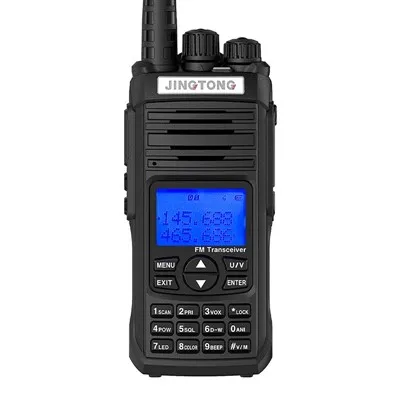
3 Watt Walkie Talkie If you’re interested in purchasing an analog radio, I’d love to chat with you. Whether you’re a casual listener or a hardcore radio enthusiast, we have the perfect radio for you. Don’t hesitate to reach out if you have any questions or if you want to learn more about our products. We’re here to make sure you get the best analog radio experience possible.
References
- "Radio Engineering Principles" by Everard Services
- "The History of Radio" by Ken Shirriff
- "Analog and Digital Communication Systems" by Simon Haykin
Jingtong (Quanzhou) Electronics Co., Ltd.
We are one of the most professional analog radio manufacturers and suppliers in China, specialized in providing high quality customized service. We warmly welcome you to buy durable analog radio made in China here from our factory. For price consultation, contact us.
Address: No.288, Si Huang Industry Zone, Xia Mei Town, Nan An, Quanzhou, Fujian province, China 362302
E-mail: jtdjj@jtdjj.com
WebSite: https://www.jteradio.com/
