Hey folks, let’s cut to the chase – if you’ve ever shopped for outdoor gear or fabric for any kind of tough, long-lasting project, you’ve probably run into Oxford cloth. I’m not just a random blogger rambling about this; I run an Oxford cloth supply business, so this is stuff I talk about with camping gear makers, event tent designers, and even casual backyard campers every single day. The question I get more than any other lately? “Can Oxford cloth actually be used for making tents?” Oxford Cloth

I know why this question’s popping up so much. Tents need to do way more than just hold up a roof over your head – they’ve got to stand up to sudden downpours, drag across rough gravel when you’re setting up a festival, block harsh UV rays at a packed campsite, and not fall apart after a few uses. Oxford cloth’s been around forever, but it’s evolved a lot from the old, scratchy fabric your grandpa used to tote camping back in the day. So let’s break this down like I would with a new client who’s just testing out our samples: is Oxford tent-worthy, and if so, when should you reach for it vs. another fabric?
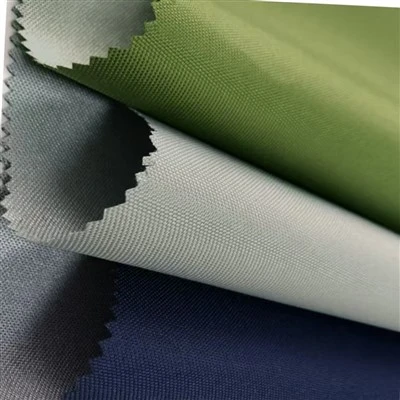
First, let’s nerd out a little on what Oxford cloth actually is, because that’s where all the confusion starts. It’s not a single kind of fabric – it’s a weave, originally made with cotton, that’s woven in a specific basket-like pattern (usually plain or twill) that gives it way more durability than a plain woven fabric. Now, most of the Oxford cloth I supply these days isn’t pure cotton – we blend it with polyester, nylon, and even add a waterproof coating to make it work for heavy-duty stuff. The “denier” number is key here, right? Like, if you’ve heard of 210D vs. 600D Oxford, that’s the thickness of the yarns used. Lower denier (210D, 300D) is lighter, great for backpacking tents where you’re trimming ounces. Higher denier (1200D+, yeah, that’s a real thing) is thick as hell, designed for permanent event structures or stuff you’re dragging through mud.
Now, let’s get to the core question: can this be a tent fabric? Short answer: hell yes, but it depends entirely on what kind of tent you’re making. Let’s run through the pros first, because that’s why so many tent makers are ditching their old nylon ripstop or canvas for Oxford these days.
First up: durability. I’ve seen 1680D Oxford tents that got left out in rain, snow, and being run over by a rogue ATV (don’t ask) and still weren’t torn. The weave’s tight – unlike some lightweight nylon that can snag on a pine needle and blow up into a big hole, Oxford’s thick yarns don’t pull apart easily. That’s a huge win for anyone who doesn’t baby their gear, like festival goers who’re setting up in a field full of thorny bushes or family campers who let their dogs run all over the tent site.
Then there’s waterproofing. Here’s the thing about Oxford: the base fabric’s woven, so it has tiny little gaps between the yarns, which means plain uncoated Oxford will get damp in light rain. But we coat it with a polyurethane (PU) layer, or even a silicone coating, and test it with hydrostatic head numbers – that’s the standard for how much water pressure a fabric can take before it leaks. A good quality 600D Oxford tent fabric can hit 3000mm+ hydrostatic head, which is enough to handle a heavy, steady downpour, even in places like the Pacific Northwest or the UK’s rainiest months. I once supplied a batch of 600D Oxford to a small tent company for a pop-up family tent, and they told me it survived a 12-hour thunderstorm without a single leak. Compare that to some budget nylon tents that start leaking under 1000mm – no contest.
UV resistance is another big one. Oxford cloth (especially the polyester-blend stuff we sell) doesn’t break down as fast when exposed to sun as pure cotton canvas, and it blocks UV rays way better than uncoated nylon. That’s perfect if you’re making a tent for a summer campsite where you’re leaving it up for a week straight, or a vendor tent that’s out in the sun all day at a market. No more coming back to a tent that’s faded, brittle, and ready to fall apart after two weeks of sunshine.
Wait, but let’s be real – it’s not all sunshine and rain (pun absolutely intended). Oxford cloth has a couple of downsides that make it not the right pick for every tent. First, weight. If you’re a thru-hiker or a backcountry camper counting every ounce, a 210D Oxford tent is way heavier than a lightweight 30D nylon ripstop. That extra weight adds up fast when you’re carrying it 20 miles a day, so Oxford’s not the best for ultralight or backpacking tents where portability is everything.
Second, breathability. Because Oxford’s weave is tighter (especially the coated stuff), it doesn’t let air through as well as uncoated nylon or canvas. That means if you’re using it for a 3-season tent in warm weather, you might end up with condensation on the inside – which is why a lot of Oxford tent makers add mesh panels or vent seams to fix that. But if you’re car camping, where you’re not hauling the tent and you don’t mind a little extra weight, condensation isn’t a huge issue.
Another thing: setup. Oxford cloth can be stiffer when it’s new, so some people say it takes a little more work to stretch out a tent made of it, compared to a soft nylon tent that folds up easy. But once you’ve set it up a few times, it breaks in and gets more flexible. I’ve had customers tell me that after their second trip, their Oxford tent was just as easy to set up as any other.
Let’s talk about real-world examples, because this isn’t just theory. A lot of big outdoor brands (and a ton of small, local ones) are using Oxford for their tents now. You’ve seen those big, bulky family camping tents that you set up in your backyard for weekend trips – almost all of those use 600D or 900D Oxford. They’re affordable, tough, and hold up for years, even with heavy use. Then there are the event tents – pop-up canopy tents for farmers markets, festival vendor booths, or construction site break areas – those are almost always 1200D or 1680D Oxford, because they need to stand up to being folded and unfolded dozens of times and dragged around on rough pavement.
I also supplied a batch of 420D Oxford to a group that makes emergency shelter tents for disaster relief. Those tents get set up fast, used in muddy, rough terrain, and need to be replaced only every few years – Oxford’s perfect for that because it’s cheap enough to replace regularly but tough enough to do the job.
Wait, but what about common myths? Let’s bust a couple. One: “Oxford is too heavy for tents.” That’s only true if you’re comparing it to ultralight hiking fabrics. For all other tent uses – car camping, event shelters, emergency tents, backyard canopy tents – the extra weight is totally worth the durability. Another myth: “Oxford is only for cheap, low-quality tents.” No way – we sell premium 1680D Oxford that’s used for high-end event tents that cost thousands of dollars, because the clients don’t want to replace their tents every season. It’s all about the denier and the coating, not the fabric itself.
Now, if you’re someone who’s thinking about making a tent (whether you’re a small brand or a casual DIYer), here’s what you need to know when picking Oxford cloth. First, figure out what the tent is for. Backpacking tent? Go for 210D or 300D polyester-blend Oxford, lightweight enough to carry. Family car camping tent? 600D or 900D is the sweet spot – tough, not too heavy, easy to set up. Event or emergency tent? 1200D+ is the way to go, it can take all the abuse you throw at it. Second, make sure it has a PU coating of at least 2000mm hydrostatic head – any lower and you’ll be dealing with leaks. Third, look for a water repellent (DWR) finish on the outer layer, that beads up rain and keeps the coating working longer.
I should also mention, as a supplier, that we work directly with tent makers to tweak the fabric to their needs. Some clients want Oxford with a fire-retardant coating for event tents, others want it dyed custom colors for brand vendor booths, and a few even want semi-transparent Oxford for a fun glamping tent look. It’s flexible, which is why it’s so popular right now.
Let me wrap this up, because I know you’re here for a straight answer. Oxford cloth is absolutely usable for tents – in fact, it’s one of the most versatile fabrics out there for most non-backpacking tent needs. It’s durable, waterproof when coated, UV-resistant, and affordable. The only time it’s not a good pick is if you’re making an ultralight backpacking tent where every ounce counts.
If you’re a tent maker, outdoor gear designer, or even someone who’s just testing fabrics for a personal project and you want to chat about what Oxford would work best for you, hit me up. I’ve got samples of all the different deniers and coatings, I can answer any questions about durability, pricing, or custom orders, and I’m happy to help you pick the right fabric for your specific project. No sales pitch, no weird hoops to jump through – just a fellow person who’s been working with Oxford cloth for years and wants to help.
Wait, one last little tip: if you’re buying Oxford for a tent, ask for a swatch and test the water resistance yourself. Spritz it with a hose, or even dunk it in a bucket – that’s the best way to make sure it’s going to hold up to rain. A lot of companies say their fabric is waterproof, but testing it yourself takes the guesswork out.
At the end of the day, a tent’s job is to keep you dry, safe, and comfortable, whether you’re camping in the woods or running a booth at a festival. Oxford cloth checks all those boxes for most use cases, and it’s only getting better as we develop new blends and coatings. So yeah – don’t sleep on Oxford for your next tent project.
Tent Fabric Reference:
- Textile Institute. (2021). “Oxford Cloth: Weave Structure, Properties, and End Use Applications.” Journal of Technical Textiles.
- Outdoor Industry Association. (2022). “Fabric Performance Standards for Recreational Tents.” OIA Gear Testing Guidelines.
- International Organization for Standardization. (2019). “Textiles – Determination of Hydrostatic Head Resistance.” ISO 811:2019.
Wujiang Jiashunxin Spray Weaving Co., Ltd.
As one of the most professional oxford cloth manufacturers and suppliers in China, we’re featured by quality products and good service. We warmly welcome you to wholesale bulk customized oxford cloth from our factory. If you have any enquiry about free sample, please feel free to email us.
Address: Xingli New Village, Lili Town, Wujiang District, Suzhou City, Jiangsu Province
E-mail: xuzhiqiang20260525@163.com
WebSite: https://www.shunbangfabric.com/
