Do plant trellis stakes affect plant growth? This is a question I often encounter as a supplier of plant trellis stakes. In my years of experience in this industry, I’ve seen firsthand how these simple yet crucial tools can have a profound impact on the growth and development of plants. In this blog, I’ll delve into the science behind plant trellis stakes, share real – world examples, and discuss why they are an essential investment for any gardener or farmer. Plant Trellis Stakes

The Basics of Plant Growth and Support
To understand how plant trellis stakes affect plant growth, we first need to understand the basic needs of plants. Plants require sunlight, water, nutrients, and proper support to thrive. While sunlight, water, and nutrients are well – known factors, the role of support is often underestimated.
Plants, especially vining and climbing varieties, naturally seek structures to climb on. In the wild, they might use trees, rocks, or other plants for support. In a garden or agricultural setting, plant trellis stakes serve this purpose. By providing a stable structure for plants to climb, we mimic their natural environment and encourage healthy growth.
Physical Benefits of Plant Trellis Stakes
One of the most obvious ways that plant trellis stakes affect plant growth is by providing physical support. Vining plants like tomatoes, cucumbers, and beans have long, flexible stems that can become heavy as they produce fruit. Without proper support, these stems may bend or break under the weight, leading to reduced plant health and lower yields.
When using plant trellis stakes, the plants can distribute their weight evenly along the stake or the trellis system. This helps keep the plant upright, allowing for better air circulation and light exposure. Improved air circulation reduces the risk of fungal diseases, such as powdery mildew, which thrive in damp, stagnant conditions. With better light exposure, the leaves can photosynthesize more efficiently, leading to increased food production for the plant.
For example, in a study conducted at a local agricultural research station, tomato plants grown with trellis stakes produced significantly more fruit compared to those left unsupported. The supported plants had less damage from pests and diseases, and the fruit was of better quality, with a more consistent shape and color.
Impact on Root Development
Plant trellis stakes can also have a positive impact on root development. When a plant is supported above – ground, it doesn’t need to allocate as many resources to strengthening its stem to stay upright. Instead, it can redirect these resources to root growth.
A healthy root system is essential for a plant’s overall well – being. Roots are responsible for absorbing water and nutrients from the soil. With a stronger and more extensive root system, plants can access a larger volume of soil, which means more water and nutrients are available to them. This, in turn, leads to better growth and resilience.
In a carrot farm where we provided trellis stakes for the companion plants (which had a mutually beneficial relationship with carrots), the carrots showed more vigorous growth. The companion plants, with the support of trellis stakes, grew healthier, and their roots helped improve the soil structure around the carrots. This allowed the carrots’ roots to penetrate the soil more deeply and access more nutrients.
Aesthetic and Space – Saving Benefits
Beyond the biological impacts, plant trellis stakes also offer aesthetic and space – saving benefits. In a garden, well – supported plants look neater and more organized. They create a more visually appealing environment, whether it’s a small backyard garden or a large commercial nursery.
From a space – saving perspective, using plant trellis stakes allows gardeners to grow vertically. This is particularly useful in urban areas or small gardens where space is limited. Instead of spreading out horizontally, plants can grow upward, effectively multiplying the available growing area.
For instance, in rooftop gardens in the city, trellis stakes are commonly used to grow herbs and vegetables. By growing vertically, these gardens can produce a significant amount of food in a relatively small space.
Choosing the Right Plant Trellis Stakes
As a supplier of plant trellis stakes, I know that choosing the right stakes is crucial for maximizing their impact on plant growth. There are several factors to consider, such as the type of plant, the size of the plant at maturity, and the growing environment.
For small, delicate plants like peas or morning glories, lightweight and thin stakes may be sufficient. These could be made of bamboo or plastic. On the other hand, large, heavy – fruiting plants like melons or squash require more robust stakes, such as wooden or metal ones.
The height of the stake is also important. It should be tall enough to support the plant throughout its growth cycle. For vining plants that can grow several feet tall, stakes that are 6 – 8 feet or taller may be necessary.
Real – life Success Stories from Our Customers
Over the years, we’ve received numerous success stories from our customers about how our plant trellis stakes have improved their plant growth. One customer, a small – scale organic farmer, reported that after using our metal trellis stakes for his cucumber plants, his yield increased by 30%. The cucumbers were also straighter and had a better shelf – life.
Another customer, a hobby gardener, was able to transform her small balcony into a productive vegetable garden using our bamboo trellis stakes. She grew tomatoes, peppers, and beans vertically, and not only did she have a bountiful harvest, but her garden also became the envy of the neighborhood.
Conclusion
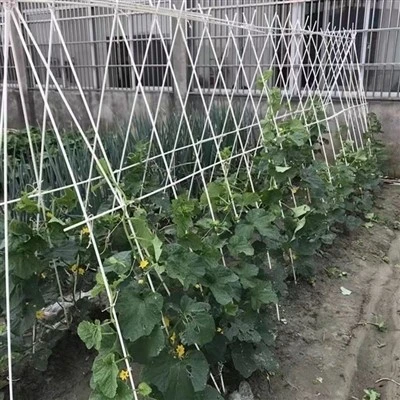
In conclusion, plant trellis stakes have a significant impact on plant growth. They provide physical support, improve air circulation and light exposure, promote healthy root development, and offer aesthetic and space – saving benefits. Whether you’re a professional farmer or a home gardener, investing in high – quality plant trellis stakes can make a world of difference in your garden or farm.
Plant Trellis Stakes If you’re interested in learning more about our plant trellis stakes or would like to discuss a potential purchase, please don’t hesitate to contact us. We’re here to help you find the perfect trellis stakes for your specific needs.
References
- "Plant Physiology and Development" by Lincoln Taiz and Eduardo Zeiger
- Local agricultural research station reports on plant support and growth
- Customer testimonials and feedback
Shaoxing Longfan New Materials Technology Co., Ltd.
With abundant experience, we are one of the most professional plant trellis stakes manufacturers and suppliers in China. We warmly welcome you to wholesale customized plant trellis stakes at competitive price from our factory. If you have any enquiry about cooperation, please feel free to email us.
Address: Zhangzhen Industrial Park, Zhangzhen Town, Shangyu District, Shaoxing City, Zhejiang Province (No. 1118 Shunyang Road)
E-mail: 237367356@qq.com
WebSite: https://www.longfancomposites.com/
