Hey there! I’m a rep from a surgical system supplier, and I’ve been thinking a lot about how our surgical systems can really up the game when it comes to collaboration between different surgical specialties. Let’s dig into this topic and see how these systems are making a big difference. Surgical System
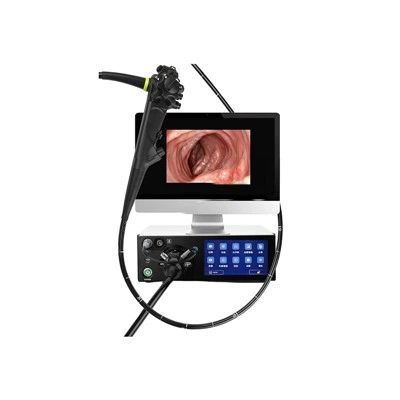
First off, let’s talk about what we mean by different surgical specialties. You’ve got orthopedic surgeons, who deal with bones and joints; neurosurgeons, who are all about the brain and nervous system; and cardiothoracic surgeons, who focus on the heart and chest. Each specialty has its own set of tools, techniques, and knowledge. But when it comes to complex cases, they often need to work together. That’s where our surgical systems come in.
One of the key ways our systems improve collaboration is through better communication. In the operating room, clear and quick communication is crucial. Our surgical systems are equipped with advanced communication tools. For example, they have real – time data sharing capabilities. Surgeons from different specialties can access the same patient data, like X – rays, MRIs, and vital signs, all in one place. This means that an orthopedic surgeon and a neurosurgeon working on a patient with a spinal injury can both see the latest imaging results at the same time. No more waiting for someone to print out a report or send an email. It speeds up the decision – making process and reduces the chances of miscommunication.
Another cool feature of our systems is the 3D visualization. This is a game – changer for collaboration. Let’s say a team of surgeons is planning a complex heart and lung transplant. With our 3D visualization tool, they can create a detailed model of the patient’s organs. Each surgeon can view this model from different angles and perspectives. The cardiothoracic surgeon can point out the areas of the heart that need attention, while the pulmonologist can show the parts of the lungs that are affected. This shared visual understanding helps everyone on the team to be on the same page. It’s like having a virtual map of the patient’s body, and everyone can see where they need to work.
Our surgical systems also support remote collaboration. In today’s world, it’s not always possible for all the experts to be in the same operating room. Maybe there’s a highly – specialized surgeon in another city who could provide valuable input. Our systems allow for remote access. The remote surgeon can log in and view the surgery in real – time. They can even use the system to offer advice and guidance to the on – site team. This is especially useful in rural areas where access to specialized surgical expertise might be limited.
Let’s take a look at a real – life example. There was a case where a patient had a complex abdominal injury. The general surgeon was leading the operation, but it quickly became clear that the patient also had issues with their kidneys and pancreas. With our surgical system, the general surgeon was able to call in a urologist and a pancreatic surgeon remotely. They all accessed the patient’s data on the system, discussed the best approach, and worked together to save the patient’s life. This kind of collaboration would have been much more difficult without our advanced surgical system.
Now, let’s talk about training and education. Our surgical systems come with built – in training modules. These modules are designed to help surgeons from different specialties learn about each other’s techniques. For example, an orthopedic surgeon can use the system to learn about the latest neurosurgical procedures, and vice versa. This cross – training helps to break down the silos between specialties. Surgeons can gain a better understanding of what their colleagues do, which leads to more effective collaboration in the operating room.
The data analytics capabilities of our systems are also a big plus for collaboration. The system can collect and analyze data from multiple surgeries. This data can be used to identify trends and best practices. For example, if a certain combination of surgical techniques from different specialties has a high success rate, the system can flag this information. Surgeons can then use this knowledge to improve their future collaborations. It’s like having a smart assistant that helps you make better decisions.
Our surgical systems also offer simulation tools. Surgeons can practice complex procedures together in a virtual environment. This is a great way to improve teamwork and communication. For instance, a team of cardiothoracic and vascular surgeons can practice a combined heart and blood vessel repair procedure in the simulation. They can work out any kinks in their coordination before performing the actual surgery on a patient.
In addition to these features, our systems are designed to be user – friendly. Surgeons don’t have to spend a lot of time learning how to use them. This means that they can focus on what they do best: treating patients. The ease of use also encourages more surgeons to adopt the system, which in turn leads to more widespread collaboration between specialties.
So, if you’re a hospital or a surgical team looking to improve collaboration between different surgical specialties, our surgical systems are the way to go. They offer a range of features that can enhance communication, training, and decision – making. Whether you’re dealing with a simple case or a complex multi – specialty surgery, our systems can make a big difference.
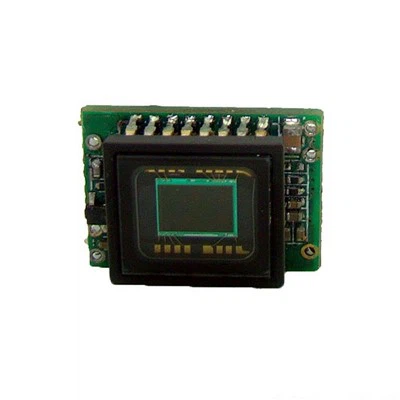
If you’re interested in learning more about how our surgical systems can benefit your surgical team, don’t hesitate to reach out. We’re here to answer your questions and help you find the best solution for your needs. Let’s work together to take surgical collaboration to the next level.
Medical Cable References:
- Various medical research papers on surgical system technology and inter – specialty collaboration
- Case studies from hospitals using our surgical systems
Zhejiang Jiacheng Medical Instrument Co., Ltd.
We’re well-known as one of the leading surgical system manufacturers and suppliers in China, specialized in providing high quality customized service to global clients. Please feel free to buy discount surgical system from our factory. Contact us for more details.
Address: Building 8, Shutai · Fuchun Innovation Park, No. 516, Majia Road, Fengchuan Subdistrict, Tonglu County, Hangzhou, Zhejiang Province, China
E-mail: Ken.huangfu@jiachengmedical.com
WebSite: https://www.jiachengmedical.com/
