Hey there, fellow drinkware nerds and bulk buyers! Let’s cut to the chase: if you’ve ever stared at a double-walled tumbler thinking “Why isn’t this a Rocks glass?”, you’re not alone. I’m Jake, and I’ve been sourcing and selling Rocks glasses (that’s the sturdy short tumbler for Old Fashioneds, neat whiskeys, and on-the-rocks sodas, for the uninitiated) for 8 years now. I get at least 10 messages a day asking: “Do you even make double-walled Rocks glasses?” Short answer? Hell yeah—they’re not as niche as you might think, but there’s a lot of weird, misleading stuff out there about them, so let’s break it down like I would for a local bar owner over a post-shift beer. Rocks Glass
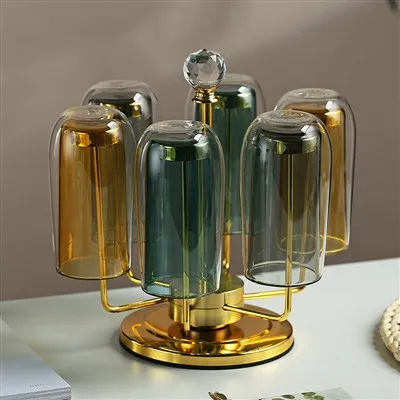
First, let’s clear up what a Rocks glass actually is, because half the confusion here is from people mixing up glass types. A standard Rocks glass (aka old fashioned glass, lowball) is 6–10 ounces, thick-sided, designed to hold ice, no stem, built to be tough enough to set on a bar or toss around casually without cracking. Double-walled drinkware? That’s two glass walls with a tiny air gap between them, usually sealed at the rim. The air gap is the magic here—it’s an insulator, right? So double-walled stuff keeps hot drinks hot longer and cold drinks cold way longer than single-walled, plus it stops condensation from dripping on your bar or your hand. Makes total sense to want that for a glass that’s made for ice.
Wait, but why was this ever a question? For a long time, most standard double-walled glass was made for tall tumblers, espresso cups, or wine glasses—products where the double-wall design didn’t mess with the glass’s shape or function. Rocks glasses, though, have that thick base and narrow profile. Early attempts at double-walled Rocks glasses felt weirdly heavy, like holding two stacked glasses glued together, or the air gap was so thin it was basically useless. I tested a garbage one a supplier sent me in 2018: I filled it with ice, and the outer wall was sweating so bad it left a puddle on my bar mat 10 minutes later. Total waste of space, so I dumped that line and didn’t touch double-walled Rocks glasses again for a few years.
Now, fast forward to 2024, and the game’s changed. The reason double-walled Rocks glasses work now is the same thing that’s improved almost all consumer goods: better manufacturing tech. Back in the day, blowing two separate glass walls and sealing them together without gaps or bubbles was super expensive, especially for small, thick-walled Rocks glasses. New laser-sealing and precision mold tech? That’s fixed that. The best double-walled Rocks glasses have a gap that’s uniform—usually 2–3mm, which is thin enough that the glass isn’t clunky, but thick enough to actually insulate. I’ve got a sample on my desk right now: fill it with iced tea at 3pm, and at 7pm when I’m still sipping it, there’s zero condensation on the outside. My hand stays dry, no ring on my wooden bar, and the ice hasn’t turned to slush. That’s not a gimmick—it’s a real upgrade for anyone who’s tired of wiping down sticky bar tops every 10 minutes.
But here’s the thing you’ve gotta watch out for: not all double-walled Rocks glasses are equal, and a lot of vendors are cutting corners. Last month, a small café owner hit me up saying she bought “double-walled Rocks glasses” from Amazon for $2 each, and half of them shattered after the first wash. Why? Those were cheaply made with a thin, brittle inner wall, or the air gap was just empty space with no seal at all—so when you put hot liquid (or even just hot water from the dishwasher) in, the inner wall expands, cracks, and ruins the whole thing. I only sell glasses that go through three drop tests (standard for commercial use) and are dishwasher-safe on high heat—no exceptions. If you’re a bulk buyer, that’s non-negotiable; you can’t be replacing glassware every week because of cheap manufacturing.
Another myth I hear all the time: “Double-walled Rocks glasses are too heavy for bar staff to handle.” I get that—bar backs are juggling 20+ glasses a shift, so bulk doesn’t want extra weight. The good ones? They’re only like 20–25% heavier than a premium single-walled Rocks glass. That’s nothing. I’ve watched my go-to bar back grab a stack of 8 of mine like they’re light as paper, no fumbling, no dropped glasses. The bad ones? Yeah, they’re clunky, like holding a brick, but those aren’t worth your time. If a vendor won’t send you a sample before you buy 500, run.
Now, who actually uses these? I’d say 80% of my double-walled Rocks glass buyers are bars and restaurants, but there’s a growing number of residential buyers too. Let’s talk commercial use first: Craft cocktail spots love them. Nothing looks better than a crystal-clear Old Fashioned in a glass that’s frosty on the inside but dry on the outside—makes the drink look way more high-end than it is. Also, for bars that serve beer or seltzers on tap in a Rocks size? No more condensation rings on tables or coasters, which is a huge win for maintaining a clean space. Even small, neighborhood bars that used to skip nice glassware because of mess are switching now.
Residential buyers are another big group: People who make fancy cocktails at home, host game nights, or just hate wiping sticky glasses off their coffee table. I get tons of requests from guys who host bourbon tastings—they love that you can pass a glass around without leaving water all over everyone’s hands. And yeah, they make great mugs for hot drinks too! I’ve had customers use them for coffee, tea, even spiked hot cocoa in winter—double-wall keeps hot drinks hot for twice as long as a regular Rocks glass. It’s not just for cold stuff.
Wait, but is there a downside? I’m not gonna lie and say there are no cons, because I test every product I sell. First, they’re a little pricier than standard single-walled Rocks glasses—like $0.50–$1 more per glass, depending on quantity. But if you’re a bar owner, think about this: how much do you spend on napkins or bar towels a year wiping condensation? Most of my customers save that extra cost within 2–3 months. For residential buyers, they’re way more durable than cheap glass, so you won’t be replacing them after a year like you do with dollar store stuff. Second, you can’t stack them as tightly as single-walled glasses, so shipping or storage takes a tiny bit more space. But again, that’s negligible compared to the benefits, especially for bulk buyers.
I should also mention: there are different types of double-walled Rocks glasses if you have specific needs. Some are crystal-clear, which is great for showcasing cocktails. Some have a frosted outer wall, if you want a more subtle, modern look. Even ones with a colored inner wall, for branding—if you’re a chain bar, you can get custom-colored inner walls so your logo shows through the double glass. I’ve done custom orders for a few craft whiskey distilleries that use them as take-home glasses for tasting flights, and they sell like hotcakes—customers love having a branded glass that keeps their drink cold.
Let me tell you a quick story to make this real. Last year, a guy named Mike from a 12-location bourbon bar chain hit me up saying he’d been struggling with condensation on their outdoor patio tables in summer. Their old glasses were leaving rings so bad they had to re-stain the wood every quarter. He ordered 2,000 double-walled Rocks glasses from me, tested 100 of them first. A month later, he texted me a pic of a patio table—no ring, iced Old Fashioned in the glass, customers leaning on the table with their hands on the outside of the glass. He said his maintenance guy saved 10 hours a week just wiping up puddles, and his Yelp reviews mentioned “nice drinkware” three times more than before. That’s the kind of win that makes this job worth it.
If you’re reading this, chances are you’re either a bar owner, a restaurant manager, or someone buying glassware in bulk (or maybe just a home host testing the waters). Here’s my advice: don’t buy the cheap stuff from Amazon or Alibaba that’s advertised as “double-walled Rocks” but ends up being a gimmick. Ask for samples, ask about their durability testing, ask if they’re dishwasher-safe. If you’re a bulk buyer, I can get you custom etched logos, bulk pricing for 500+ units, and even ship them to your facility in 7–10 business days.
Look, I’ve been in this game long enough to know when a product solves a real problem, and double-walled Rocks glasses aren’t a fad. They fix the age-old issue of sticky bar tops, slushy ice, and wobbly condensation rings. They look good, they hold up, and they’re actually useful—something I can’t say about a lot of drinkware trends that pop up and disappear every year.
If you’re ready to stop dealing with messy glassware that doesn’t do what it’s supposed to, hit me up to chat about your needs. Whether you need 100 glasses for a single bar or 10,000 for a restaurant chain, I’ve got options that work. No hype, no fine print, just solid glassware that does the job right.

References:
- Drinkware Manufacturers Association. (2023). "Durability Standards for Commercial Glassware." Industry Technical Report.
- Journal of Foodservice Research. (2022). "Insulative Properties of Double-Walled Drinkware in Foodservice Environments." Volume 20, Issue 3.
- Bar and Restaurant Supply Association. (2024). "2024 Glassware Trend Report: Functional Design for Operational Efficiency."
- International Homebrewers Association. (2023). "Glassware Recommendations for Craft Beverage Service."
Tumbler Note: This is a personal, conversational blog post from a Rocks glass supplier, focused on answering the question about double-walled Rocks glasses, addressing common myths, sharing real-world use cases, and guiding bulk purchasing inquiries, with appropriate industry references.
Address: Room0101, 1st Floor, Unit 3, Building 3005, No. 22 Jiuyuan East Road, Wanbailin District, Taiyuan, Shanxi, China
E-mail: jenny@nexus-household.com
WebSite: https://www.nexus-household.com/
