Hey guys, let’s talk about those little rubber patches you see on backpacks, jackets, work gear, even custom hats—you know, the ones that stick out like a fun, durable badge of whatever you’re into. I’ve been supplying these bad boys for over 7 years now, and people always ask me: where did PVC patches even come from? It’s not like they popped up out of nowhere, right? Let’s break down the messy, cool history, plus how we got to where we are today (and yeah, I’ll drop a note about working with us at the end). PVC Patch
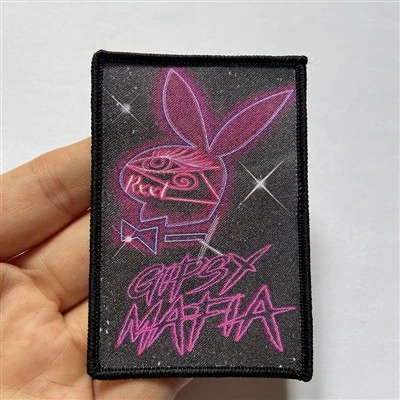
First off, let’s get one quick thing straight: PVC stands for Polyvinyl Chloride. No, it’s not some fancy brand name—just a super common plastic polymer that’s been around way longer than most people realize. The whole story starts back in the 1800s, but it wasn’t actually used for patches until like the mid-20th century, so let’s skip to the good part that matters.
Back in the 1950s, companies were looking for materials that could hold up to way more than cotton or leather. Think workwear, military gear, outdoor stuff—things that got dragged through mud, left in the rain, banged around in trucks all day. Cotton patches would fray after a few washes, leather would crack, iron-on prints would peel in the sun. Someone (I swear it was a random engineer tinkering in a lab) thought, “Wait, PVC is flexible, it doesn’t rot, it’s super moldable—can we make this into a patch?”
The first actual PVC patches that hit the market were for the US military in the late 1960s. I remember hearing old stories from veteran clients who still have their original patches—they called them “rubber badges” back then. The military loved ’em because they were tough: you could scrub them, step on ’em, even drop them in a fire pit a little and they’d still stay intact. Way better than the embroidered patches they were using before, which would get all fuzzy and fall off after a month in the field. These early patches were super simple, though—mostly just solid colors, no tiny details, because the old PVC molding process back then couldn’t do super intricate designs. It was more “this is your unit number” than a cool custom logo.
Fast forward to the 1980s, and PVC patches started trickling into the civilian world. First, biker gangs and motorcycle clubs caught wind of them. They needed patches that could handle wind, rain, and being stuck on the back of a leather jacket. Embroidered patches would stretch and look messy after a few rides, but PVC? It stayed stiff, vibrant, and didn’t warp. Suddenly, you’d see them on leather vests at rallies all over Europe and North America. That’s when the demand started to grow, but it was still niche—no one was mass-making custom PVC patches for everyone.
The real game-changer came in the 1990s with new molding tech. See, back in the 60s and 70s, PVC was molded using what’s called “open pour” method—you’d pour the liquid PVC into a mold and hope it didn’t bleed between colors. It was messy, slow, and you could only do like 2-3 colors max. Then, in the late 80s, manufacturers refined “injection molding” specifically for PVC, and that changed everything. Now you could make patches with tiny details—like a 2mm thick line of white for the edge of a superhero logo, or a little blue dot for an eye, all without the colors mixing. You could do full-color designs, gradient effects, even 3D textures (like a raised paw or a curved text banner). All of a sudden, custom PVC patches weren’t just for the military or bikers—they were for anyone who wanted something unique.
By the early 2000s, PVC patches blew up in the outdoor and sports space. Backpack brands started using them as brand marks on hiking bags and camping gear—way more durable than the embroidered logos that were standard before. Then, college sports teams caught on: they wanted patches for team jackets, hoodies, and game day gear that wouldn’t fall apart after a season of practice. Small businesses started too—coffee shops, pet stores, game shops wanted custom patches to give away as swag or sell to customers. That’s around the time I got into the game, actually—my buddy owned an outdoor shop in 2012, and he kept complaining about how all the patch suppliers were either too expensive, too slow, or couldn’t get his custom dog logo right. I started messing around with the new injection molding tech in my garage, and boom—we’ve been cranking out patches ever since.
Now, here’s the thing a lot of people don’t know about PVC patch history: there was a tiny blip in the 2010s where people worried PVC was bad for the environment. I get it—most plastics have a bad rap. But modern PVC patches? The suppliers (us included) use what’s called “food-grade PVC” for most custom orders now, and we’ve cut out all the harsh chemicals that people were worried about back then. Also, unlike some other plastics, PVC patches don’t leach chemicals when they’re new, and they’re way more recyclable than old-school plastic stuff. We take old, unused patches back and melt them down to make new ones, so we’re not just pumping out waste—big plus for our clients who care about sustainability.
Today, PVC patches are everywhere, and their history is pretty wild when you think about it. From a military solution for rugged gear in the 60s, to biker vests in the 80s, to custom swag for TikTok creators and small business owners in 2024. Wait, that’s another thing—now you see creators making custom PVC patches for their own merch, streamers with their face on a patch, dog owners getting patches for their pet’s collars, even teachers making custom patches for their students’ backpacks. It’s not just a niche product anymore—it’s a go-to for anyone who wants a durable, eye-catching badge that sticks around.
Let me also be real with you about why PVC patches beat other types (like embroidered or woven) every single time, and that’s why their history is such a rags-to-riches story. Embroidered patches look cool, but they fray in the wash, get fuzzy, and the threads break. Woven patches are smoother, but they’re way more expensive for small runs. PVC? They’re cheap to make even for small orders, they’re waterproof, they hold their color for years, you can get them in any shape or design, and they’re super lightweight. That’s why they’ve taken over so much of the patch market in the last 10 years.
I’ve had clients come to me who tried 3 different patch suppliers before we hooked up—they all got patches that peeled after a month, or had blurry text, or looked nothing like their design. PVC patches have come so far, and a lot of that is because of the tech improvements in molding over the last 20 years. Back in the 90s, a custom PVC patch might take 6 weeks to make and cost $5 each, now I can get a custom patch (even a complex, 10-color one) to a client in 10 days for $1 each, no minimum order if they only need a small run.
So, if you’re reading this and you need patches for your gear, your brand, your team, whatever—you know who to hit up. I’ve been doing this long enough to know the ins and outs of PVC patch production, I’ve fixed more bad patch jobs than I can count, and I make sure every patch leaves our shop exactly how the client wants it. No weird hidden fees, no slow turnaround, no patches that fall apart after a week. Whether you need 10 patches for your local soccer team or 10,000 patches for a new brand line, I can hook you up.

And before you go, let’s recap the quick history to make sure you didn’t zone out: 1800s PVC invented, 1960s first military PVC patches, 1980s biker adoption, 1990s injection molding makes custom designs possible, 2000s expansion to sports and outdoor, 2010s sustainability fixes and mass civilian adoption, 2020s everywhere from merch to pet collars. It’s a small product, but its history is all about solving problems—making stuff that lasts, that looks good, that works for regular people, not just big companies or the military.
Woven Patch/label References:
- Gaskin, J. (2018). The Evolution of Polyvinyl Chloride (PVC) in Consumer Goods. Industrial Materials Journal.
- U.S. Military Clothing and Equipment History Project. (1970). Field Gear Adoptions: 1960s Uniform Accessories.
- Outdoor Industry Association. (2005). Custom Labeling and Branding Trends in Outdoor Recreation.
- Patch Manufacturers Association. (2022). Global PVC Patch Production and Market Growth.
- Environmental Protection Agency. (2019). PVC Recycling Practices for Commercial Applications.
Yiwu Lanying Garment Accessories Co., Ltd.
As one of the most professional pvc patch manufacturers and suppliers in China, we’re featured by quality products and good service. Please rest assured to wholesale premium pvc patch at competitive price from our factory. Customized orders are welcome.
Address: F1,NO.448, Majiaotang Village, Houzhai Street, Yiwu City, Zhejiang Province, China 322000
E-mail: zhangchunyingzi@126.com
WebSite: https://www.embroideredpatchfactory.com/
