Hey there! I’m a supplier of phytochemical monomers, and I’m super excited to dive into how these natural compounds can influence cholesterol levels. Cholesterol’s a bit of a hot topic these days, and for good reason. High cholesterol can lead to all sorts of health problems, like heart disease and stroke. So, let’s see how phytochemical monomers come into play. Phytochemical Monomers
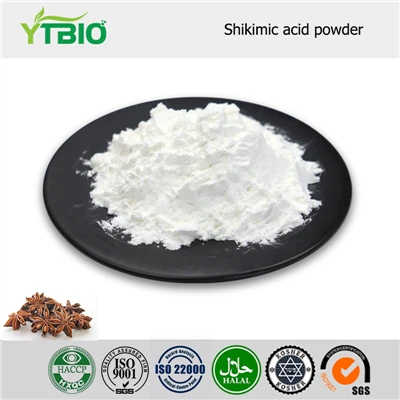
First off, what the heck are phytochemical monomers? Well, they’re basically single chemical compounds found in plants. Plants produce these amazing substances to protect themselves from pests, diseases, and environmental stresses. But guess what? They can also do wonders for our health, especially when it comes to cholesterol management.
One of the most well – known phytochemical monomers that affects cholesterol is beta – sitosterol. It’s a type of plant sterol, and it’s found in a bunch of different plants, like soybeans, wheat germ, and nuts. Now, here’s how beta – sitosterol works its magic. Our bodies absorb dietary cholesterol in the small intestine. Beta – sitosterol has a structure that’s really similar to cholesterol, so when it’s in the small intestine, it competes with cholesterol for absorption sites.
It’s like a race, you know? Beta – sitosterol jumps in and takes up those spots, so less cholesterol can get absorbed into our bloodstream. As a result, our blood cholesterol levels start to drop. Studies have shown that taking beta – sitosterol supplements can reduce LDL cholesterol, which is often called the "bad" cholesterol, by about 5 – 15%. That’s a pretty significant reduction, considering how much of a risk high LDL cholesterol is for heart disease.
Another cool phytochemical monomer is resveratrol. You’ve probably heard of it because it’s found in red wine. But it’s also in grapes, berries, and peanuts. Resveratrol has some pretty powerful antioxidant properties. Oxidation of LDL cholesterol is a big deal because it makes the cholesterol more likely to stick to the walls of our arteries, forming plaques.
Resveratrol helps prevent this oxidation. It acts like a little bodyguard for our LDL cholesterol, keeping it from getting damaged. And when LDL cholesterol isn’t oxidized, it’s less likely to build up in our arteries. Some research also suggests that resveratrol can help increase the production of HDL cholesterol, the "good" cholesterol. HDL cholesterol helps carry the "bad" cholesterol back to the liver to be removed from the body. So, by boosting HDL levels and protecting LDL from oxidation, resveratrol is doing a double – whammy to keep our cholesterol in check.
Then there’s curcumin, the main active ingredient in turmeric. This bright yellow compound has been used in traditional medicine for ages, and now modern science is catching up. Curcumin can influence cholesterol levels in a few different ways. First, it can affect the way our liver processes cholesterol. It helps increase the activity of an enzyme that breaks down cholesterol, so the liver can get rid of it more efficiently.
Curcumin also has anti – inflammatory properties. Inflammation in our blood vessels can contribute to the development of atherosclerosis, which is the hardening and narrowing of the arteries due to cholesterol plaque buildup. By reducing inflammation, curcumin can help prevent this process. Some animal studies have shown that curcumin can significantly reduce total cholesterol, LDL cholesterol, and triglyceride levels, while increasing HDL cholesterol.
Now, I know what you’re thinking. "These sound great, but how can I get enough of these phytochemical monomers?" Well, you can try to eat a diet rich in the plants that contain them. For example, munching on a handful of nuts every day can give you a good dose of beta – sitosterol. Having a glass of red wine (in moderation, of course) can get you some resveratrol, and adding turmeric to your cooking is an easy way to get curcumin.
But here’s the thing. Sometimes, it’s hard to get enough of these phytochemical monomers just from our diet. That’s where I come in as a supplier. I offer high – quality phytochemical monomers in pure form, so you can be sure you’re getting a consistent and effective dose. Whether you’re a dietary supplement manufacturer looking to create a product that helps people manage their cholesterol or an individual who wants to take charge of their own health, I’ve got the phytochemical monomers you need.
Our products are carefully sourced and tested to make sure they meet the highest standards. We work with top – notch farmers and use the best extraction methods to get these pure phytochemical monomers. And because we’re a direct supplier, we can offer competitive prices without sacrificing quality.
If you’re interested in learning more about our phytochemical monomers and how they can help with cholesterol management, don’t hesitate to reach out. Whether you want to discuss specific products, your needs, or getting a sample, we’re here to help. Let’s work together to improve health and well – being through the power of natural phytochemical monomers.
Phytochemical Monomers References:
- "The effects of plant sterols on lipid metabolism", Journal of Nutrition
- "Resveratrol and cardiovascular health", Cardiovascular Research
- "Curcumin: a review of its effects on human health", Annals of Translational Medicine
Shaanxi Yuantai Biological Technology Co., Ltd.
Shaanxi Yuantai Biological Technology Co., Ltd. is one of the most professional phytochemical monomers manufacturers and suppliers in China, specialized in providing natural plant extracts with competitive price. We warmly welcome you to buy or wholesale bulk phytochemical monomers for sale here from our factory.
Address: NO.1 Plant, China Fnzyme Industrial Park, Economic Development Zone, Weinan City, Shaanxi, China
E-mail: sales@sxytbio.com
WebSite: https://www.sxytbio.com/
