When it comes to cycling, comfort is a paramount concern for riders of all levels. Whether you’re a casual weekend cyclist or a seasoned professional, the quality of your ride can be greatly enhanced by the right equipment. One often-overlooked component that can significantly impact your riding comfort is the bike stem. As a bike stem supplier, I’ve seen firsthand how the right stem can transform a rider’s experience. In this blog, I’ll explore how a bike stem can improve your riding comfort and why you should consider upgrading yours. Bike Stem

Understanding the Bike Stem
The bike stem is the component that connects the handlebars to the fork steerer tube. It plays a crucial role in determining the bike’s handling characteristics and the rider’s position on the bike. The length, angle, and rise of the stem can all affect how you sit on the bike, how you reach the handlebars, and how you interact with the road.
The length of the stem is measured from the center of the steerer clamp to the center of the handlebar clamp. A shorter stem generally provides more responsive handling, as it reduces the distance between the rider’s hands and the front wheel. This can be beneficial for technical riding, such as mountain biking or track cycling. On the other hand, a longer stem can offer a more stable and relaxed riding position, which is ideal for long-distance touring or road cycling.
The angle of the stem, also known as the stem’s "rake," can affect the rider’s reach and the bike’s handling. A stem with a positive angle (tilted upwards) will raise the handlebars, reducing the rider’s reach and creating a more upright riding position. This can be more comfortable for riders who experience neck or back pain. Conversely, a stem with a negative angle (tilted downwards) will lower the handlebars, increasing the rider’s reach and creating a more aerodynamic position. This is often preferred by competitive cyclists.
The rise of the stem refers to the vertical distance between the steerer clamp and the handlebar clamp. A stem with a higher rise will raise the handlebars, while a stem with a lower rise will lower them. Similar to the angle, the rise can be adjusted to suit the rider’s comfort and riding style.
How a Bike Stem Improves Riding Comfort
1. Customizing Your Riding Position
One of the primary ways a bike stem can improve your riding comfort is by allowing you to customize your riding position. Everyone has a unique body geometry, and finding the right position on the bike is essential for reducing fatigue and preventing injuries. By adjusting the length, angle, and rise of the stem, you can fine-tune your reach and the height of the handlebars to suit your body.
For example, if you have a shorter torso or experience discomfort in your neck or shoulders, a shorter stem with a positive angle or a higher rise can help bring the handlebars closer to you and raise them to a more comfortable height. This can relieve pressure on your neck and shoulders, allowing you to maintain a more natural and relaxed riding position.
Conversely, if you have a longer torso or prefer a more aerodynamic position, a longer stem with a negative angle or a lower rise can help you stretch out and lower your upper body. This can reduce wind resistance and improve your efficiency, especially on long rides or when cycling at high speeds.
2. Improving Handling and Control
A bike stem can also improve your riding comfort by enhancing the bike’s handling and control. The right stem can provide a more stable and responsive ride, making it easier to navigate through turns, avoid obstacles, and maintain your balance.
As mentioned earlier, a shorter stem generally provides more responsive handling, as it reduces the distance between the rider’s hands and the front wheel. This can make the bike feel more agile and easier to maneuver, especially in tight spaces or on technical terrain. On the other hand, a longer stem can offer a more stable ride, as it increases the bike’s wheelbase and reduces the steering angle. This can make the bike feel more planted and easier to control at high speeds.
In addition to the length, the angle and rise of the stem can also affect the bike’s handling. A stem with a positive angle or a higher rise can raise the front end of the bike, making it more stable and easier to control on rough terrain. Conversely, a stem with a negative angle or a lower rise can lower the front end of the bike, making it more aerodynamic and easier to handle at high speeds.
3. Reducing Vibration and Shock
Another way a bike stem can improve your riding comfort is by reducing vibration and shock. When you ride over rough terrain, such as gravel roads or uneven pavement, the bike can absorb a lot of vibration and shock, which can be transmitted to your hands, arms, and shoulders. This can cause fatigue, pain, and even numbness over time.
A high-quality bike stem can help reduce vibration and shock by absorbing some of the energy before it reaches your hands. Some stems are designed with special materials or features, such as carbon fiber construction or elastomer inserts, that can dampen vibration and provide a smoother ride. Additionally, the right stem can help distribute the weight of the bike more evenly, reducing the impact on your hands and arms.
Choosing the Right Bike Stem
Now that you understand how a bike stem can improve your riding comfort, it’s important to choose the right stem for your needs. Here are some factors to consider when selecting a bike stem:
1. Riding Style
Your riding style will play a major role in determining the length, angle, and rise of the stem that’s right for you. If you’re a casual cyclist who enjoys leisurely rides on flat roads, a shorter stem with a positive angle or a higher rise may be more comfortable. This will allow you to maintain a more upright riding position and reduce strain on your neck and shoulders.
On the other hand, if you’re a competitive cyclist who participates in road races or time trials, a longer stem with a negative angle or a lower rise may be more suitable. This will help you achieve a more aerodynamic position and improve your efficiency.
2. Body Geometry
Your body geometry, including your height, arm length, and torso length, will also affect the stem that’s right for you. A professional bike fitting can help you determine the optimal stem length, angle, and rise based on your body measurements.
In general, riders with shorter torsos may benefit from shorter stems, while riders with longer torsos may prefer longer stems. Additionally, riders who experience neck or back pain may want to consider a stem with a positive angle or a higher rise to reduce the strain on their upper body.
3. Bike Type
The type of bike you ride will also influence the stem that’s right for you. Different types of bikes, such as road bikes, mountain bikes, and hybrid bikes, have different geometries and handling characteristics, which require different stem lengths, angles, and rises.
For example, road bikes typically have longer stems and lower handlebars to provide a more aerodynamic position, while mountain bikes often have shorter stems and higher handlebars to improve maneuverability on technical terrain. Hybrid bikes, which are designed for a combination of road and off-road riding, may require a stem that strikes a balance between the two.
4. Quality and Durability
Finally, it’s important to choose a high-quality bike stem that’s durable and reliable. A cheap or poorly made stem can compromise your safety and performance, and may need to be replaced more frequently.
Look for stems that are made from high-quality materials, such as aluminum or carbon fiber, and that are designed to withstand the rigors of cycling. Additionally, consider the stem’s weight, as a lighter stem can improve your bike’s handling and performance.
Conclusion
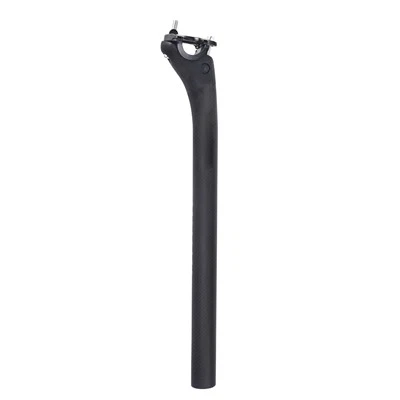
In conclusion, a bike stem can have a significant impact on your riding comfort. By allowing you to customize your riding position, improve the bike’s handling and control, and reduce vibration and shock, the right stem can transform your cycling experience. As a bike stem supplier, I’m committed to providing high-quality stems that are designed to meet the needs of riders of all levels.
Bike Seatpost If you’re interested in upgrading your bike stem or learning more about our products, I encourage you to contact me to discuss your options. I’d be happy to help you find the perfect stem for your bike and your riding style.
References
- Wilson, C. (2019). The Ultimate Guide to Bike Stems. Cycling Weekly.
- Coggan, A. R. (2017). Bike Fitting: Optimizing Your Position for Comfort and Performance. VeloPress.
- Herlihy, D. (2004). Bicycle: The History. Yale University Press.
Hunan Yecheng Technology Co., Ltd.
We’re well-known as one of the leading bike stem manufacturers and suppliers in China, also support customized service. Please feel free to buy high quality bike stem for sale here from our factory. For more information, contact us now.
Address: Changsha, Hunan Province, China.
E-mail: info@rxlsl.com
WebSite: https://www.rxlsl.com/
