As a supplier of Single Moving Plate Cold Presses, I often encounter inquiries from customers regarding the machine’s capabilities, especially whether it can be used for pressing metals. This blog aims to comprehensively explore this question, delving into the technical aspects, advantages, limitations, and practical considerations of using a Single Moving Plate Cold Press for metal pressing. Single Moving Plate Cold Press
Technical Overview of Single Moving Plate Cold Press
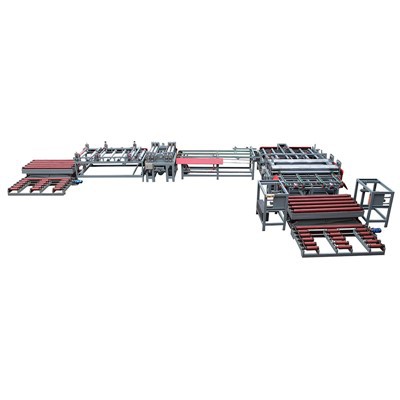
A Single Moving Plate Cold Press is a specialized machine designed for pressing operations at room temperature. It typically consists of a stationary base and a moving plate that applies pressure to the workpiece. The press is powered by hydraulic, pneumatic, or mechanical systems, providing controlled force to deform the material.
The principle behind cold pressing involves applying high pressure to reshape a material without the use of heat. This distinguishes it from hot pressing processes, where the material is heated to a specific temperature to reduce its hardness and increase its malleability. In the case of a Single Moving Plate Cold Press, the moving plate moves towards the stationary base, exerting pressure on the material placed between them.
Can a Single Moving Plate Cold Press be Used for Pressing Metals?
The short answer is yes, a Single Moving Plate Cold Press can be used for pressing metals. However, several factors need to be considered to ensure successful metal pressing operations.
Suitability of Metals
Not all metals are equally suitable for cold pressing. Softer metals such as aluminum, copper, and brass are generally more amenable to cold pressing due to their lower hardness and higher ductility. These metals can withstand the pressure exerted by the press without cracking or breaking.
For example, aluminum alloys are commonly used in cold pressing applications. Their lightweight nature and excellent formability make them ideal for a wide range of products, including automotive parts, aerospace components, and consumer electronics. Copper and brass are also frequently cold pressed for their electrical conductivity and corrosion resistance, often used in electrical connectors, plumbing fixtures, and decorative items.
On the other hand, harder metals like steel, titanium, and nickel alloys present more challenges in cold pressing. These metals have high hardness and low ductility, which means they require significantly higher pressure to deform. Additionally, they are more prone to cracking and work hardening during the cold pressing process. However, with the right equipment and techniques, it is possible to cold press some types of steel and other hard metals, especially when they are in a pre-heated or annealed state.
Pressing Capacity and Force
The pressing capacity of a Single Moving Plate Cold Press is a crucial factor in determining its suitability for metal pressing. The press must be able to generate sufficient force to deform the metal to the desired shape. The required force depends on several factors, including the type of metal, its thickness, the area of the workpiece, and the degree of deformation.
For thinner sheets of softer metals, a relatively lower pressing force may be sufficient. However, for thicker sheets or harder metals, a press with a higher tonnage capacity will be required. When selecting a Single Moving Plate Cold Press for metal pressing, it is essential to choose a machine with a pressing capacity that matches the requirements of the specific application.
Tooling and Dies
The design and quality of the tooling and dies used in the cold pressing process are also critical. The tooling must be precisely machined to ensure accurate shaping of the metal. For metal pressing, hardened steel dies are often used to withstand the high pressure and wear during the pressing operation.
The dies should be designed to distribute the pressure evenly across the workpiece to prevent uneven deformation or cracking. Additionally, the shape and size of the dies should be carefully selected to match the desired final product. Custom tooling can be designed and manufactured for specific metal pressing applications to achieve the best results.
Advantages of Using a Single Moving Plate Cold Press for Metal Pressing
Cost-Effectiveness
Cold pressing is generally a more cost-effective method compared to hot pressing. Since it does not require the use of heat, there is no need for expensive heating equipment or the associated energy costs. This makes cold pressing a more economical option for small to medium-scale metal pressing operations.
Dimensional Accuracy
Cold pressing can achieve high levels of dimensional accuracy. The precise control of the pressing force and the use of accurately machined tooling and dies result in consistent and precise shaping of the metal. This is particularly important for applications where tight tolerances are required, such as in the manufacturing of precision components.
Improved Surface Finish
The cold pressing process often results in a better surface finish compared to other metalworking processes. The smooth surface obtained through cold pressing reduces the need for additional finishing operations, such as polishing or grinding, saving time and cost.
Work Hardening Benefits
In some cases, the work hardening that occurs during cold pressing can be beneficial. Work hardening increases the hardness and strength of the metal, improving its mechanical properties. This can be advantageous for applications where high strength and wear resistance are required.
Limitations and Challenges
Limited Deformation
One of the main limitations of cold pressing metals is the limited amount of deformation that can be achieved without causing cracking or other defects. Harder metals, in particular, have a lower ductility, which restricts the degree of deformation that can be applied. To overcome this limitation, multiple pressing operations or intermediate annealing processes may be required.
High Tooling and Equipment Costs
The initial investment in tooling and equipment for cold pressing metals can be relatively high. High-quality dies and presses capable of generating sufficient force for metal pressing are often expensive. Additionally, the cost of maintaining and replacing the tooling over time should also be considered.
Material Stress and Residual Stress
Cold pressing can introduce significant stress into the metal, which can lead to residual stress in the finished product. Residual stress can cause distortion, warping, or even cracking in the metal over time. To minimize these effects, proper stress relief techniques may need to be employed, such as annealing or heat treatment after the pressing operation.
Practical Considerations for Metal Pressing with a Single Moving Plate Cold Press
Material Preparation
Proper material preparation is essential for successful metal pressing. The metal sheet should be clean, free of contaminants, and have a uniform thickness. Any surface irregularities or impurities can affect the quality of the pressing and may lead to defects in the final product.
Lubrication
Lubrication plays a crucial role in cold pressing metals. It reduces friction between the metal and the tooling, preventing sticking and improving the flow of the metal during the pressing process. Different types of lubricants can be used depending on the type of metal and the specific application.
Process Monitoring and Quality Control
During the metal pressing process, it is important to monitor the pressing parameters, such as pressure, speed, and displacement, to ensure consistent quality. Quality control measures, such as dimensional inspection and surface finish analysis, should also be implemented to detect any defects early and make necessary adjustments to the process.
Conclusion
In conclusion, a Single Moving Plate Cold Press can indeed be used for pressing metals, but it requires careful consideration of various factors, including the type of metal, pressing capacity, tooling, and practical considerations. While there are limitations and challenges associated with cold pressing metals, the process also offers significant advantages, such as cost-effectiveness, dimensional accuracy, and improved surface finish.
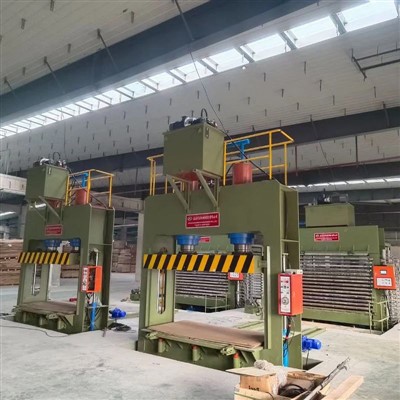
As a supplier of Single Moving Plate Cold Presses, we have the expertise and experience to help you choose the right machine for your metal pressing needs. Our presses are designed to provide reliable performance and high-quality results. Whether you are pressing softer metals for consumer products or harder metals for industrial applications, we can offer customized solutions to meet your specific requirements.
Double Side Gluing Machine If you are interested in learning more about our Single Moving Plate Cold Presses or would like to discuss your metal pressing project, please feel free to contact us for a detailed consultation. We look forward to working with you to achieve your production goals.
References
- Smith, J. (2020). Handbook of Metal Forming Processes. Wiley.
- Davis, J. R. (Ed.). (2014). Metals Handbook: Volume 14A: Metalworking: Bulk Forming. ASM International.
- Kalpakjian, S., & Schmid, S. R. (2013). Manufacturing Engineering & Technology. Pearson.
Jiashan Changle Machinery Manufacturing Co., Ltd.
We’re well-known as one of the leading single moving plate cold press manufacturers and suppliers in China, also support customized service. Please feel free to buy advanced single moving plate cold press for sale here from our factory. Quality products and punctual delivery are available.
Address: Building 12, Zone A, Wanyang Innovation City, No. 23 Yucao South Road, Ganyao Town, Jiashan County, Jiaxing City, Zhejiang Province
E-mail: Changle84615620@163.com
WebSite: https://www.changlejx.com/
