What is the shelf life of plastic droppers?
As a plastic dropper supplier, I often receive inquiries from customers about the shelf life of our products. Understanding the shelf life of plastic droppers is crucial for both suppliers and users, as it directly impacts product quality, safety, and usability. In this blog post, I will delve into the factors that influence the shelf life of plastic droppers, how to determine it, and best practices for storage to maximize their lifespan. Plastic Dropper
Factors Influencing the Shelf Life of Plastic Droppers
The shelf life of plastic droppers is influenced by a variety of factors, including the type of plastic used, environmental conditions, and the presence of additives or contaminants. Let’s take a closer look at each of these factors:
Type of Plastic
Plastic droppers are typically made from different types of plastics, such as polyethylene (PE), polypropylene (PP), or polystyrene (PS). Each type of plastic has its own unique properties and characteristics, which can affect its shelf life. For example, polyethylene is known for its excellent chemical resistance and durability, making it a popular choice for plastic droppers. Polypropylene, on the other hand, is lightweight and has good heat resistance, but it may be more prone to degradation over time. Polystyrene is a rigid and transparent plastic, but it can be brittle and may crack or break under stress.
Environmental Conditions
The environmental conditions in which plastic droppers are stored can have a significant impact on their shelf life. Exposure to high temperatures, humidity, sunlight, and chemicals can accelerate the degradation of plastic materials. For example, prolonged exposure to sunlight can cause the plastic to become brittle and discolored, while high humidity can lead to the growth of mold and bacteria. It is important to store plastic droppers in a cool, dry place away from direct sunlight and sources of heat or moisture.
Additives and Contaminants
The presence of additives or contaminants in the plastic can also affect its shelf life. Some plastics may contain additives such as antioxidants, UV stabilizers, or plasticizers to improve their performance and durability. However, these additives can break down over time, leading to the degradation of the plastic. Additionally, contaminants such as dirt, dust, or chemicals can also cause damage to the plastic and reduce its shelf life.
Determining the Shelf Life of Plastic Droppers
Determining the shelf life of plastic droppers can be a complex process, as it depends on a variety of factors. In general, the shelf life of plastic droppers can range from several months to several years, depending on the type of plastic, environmental conditions, and storage practices.
One way to determine the shelf life of plastic droppers is to conduct accelerated aging tests. These tests involve exposing the plastic droppers to high temperatures, humidity, and other environmental conditions for a short period of time to simulate the effects of long-term storage. By analyzing the changes in the plastic droppers over time, it is possible to estimate their shelf life.
Another way to determine the shelf life of plastic droppers is to rely on the manufacturer’s recommendations. Most plastic dropper manufacturers provide information on the shelf life of their products based on their own testing and experience. It is important to follow these recommendations to ensure the quality and safety of the plastic droppers.
Best Practices for Storage to Maximize Shelf Life
To maximize the shelf life of plastic droppers, it is important to follow best practices for storage. Here are some tips to help you store plastic droppers properly:
Store in a Cool, Dry Place
As mentioned earlier, plastic droppers should be stored in a cool, dry place away from direct sunlight and sources of heat or moisture. A temperature range of 20-25°C (68-77°F) and a relative humidity of 40-60% is ideal for storing plastic droppers.
Keep in Original Packaging
It is recommended to keep plastic droppers in their original packaging until they are ready to be used. The original packaging provides protection from dust, dirt, and other contaminants, and helps to maintain the integrity of the plastic droppers.
Avoid Exposure to Chemicals
Plastic droppers should be kept away from chemicals, solvents, and other substances that can cause damage to the plastic. If plastic droppers come into contact with chemicals, they should be thoroughly cleaned and dried before use.
Use within the Recommended Shelf Life
It is important to use plastic droppers within the recommended shelf life to ensure their quality and safety. If plastic droppers are past their shelf life, they may be more prone to degradation and may not function properly.
Conclusion
In conclusion, the shelf life of plastic droppers is influenced by a variety of factors, including the type of plastic, environmental conditions, and the presence of additives or contaminants. By understanding these factors and following best practices for storage, it is possible to maximize the shelf life of plastic droppers and ensure their quality and safety.
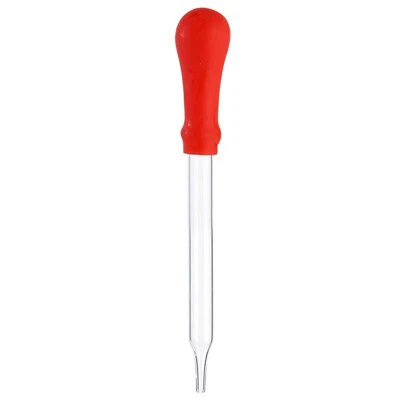
Glass Dropper If you are in the market for high-quality plastic droppers, I encourage you to contact us to discuss your specific needs. Our team of experts is dedicated to providing you with the best products and services, and we are committed to helping you find the right plastic droppers for your application.
References
- ASTM International. (2019). Standard Practice for Accelerated Aging of Plastics Using Fluorescent Ultraviolet (UV) Lamps. ASTM D4329-19.
- ISO 10993-1:2018. Biological evaluation of medical devices – Part 1: Evaluation and testing within a risk management process.
- Plastic Industry Association. (2021). Plastics 101: Types of Plastics. Retrieved from https://www.plasticsindustry.org/plastics-101/types-of-plastics
Taizhou Yukang Medical Devices Co., Ltd.
As one of the leading plastic dropper manufacturers and suppliers in China, we warmly welcome you to buy customized plastic dropper at competitive price from our factory. If you have any enquiry about quotation, please feel free to email us.
Address: Heheng Village, Shengao Town, Jiangyan District, Taizhou City
E-mail: taizhouyukang@163.com
WebSite: https://www.tzykylqx.com/
